
Dex
Build reliable SQL data pipelines faster with copilot.
18,113
Votes
25,961
Views
11,327
Bookmarks
About
Dex focuses on modern data engineering, bringing ingestion, transformation, orchestration, documentation, and governance into a single environment that sits on top of a company’s existing data warehouse. It targets data and analytics teams that want software‑engineering style guardrails for analytics, AI/ML workloads, and process automation, with an integrated AI copilot to speed up SQL and pipeline development.
Key Features
- Unified Data Pipelines: Build ingestion, transformation, and orchestration in one place using SQL and Python, then run workloads on your own cloud warehouse.
- AI Copilot for Data Work: Context‑aware assistant that helps write SQL, design models, and suggest improvements based on existing code and metadata.
- Software Engineering Guardrails: Version control, modular code, automated testing, and CI/CD for analytics projects, not just application code.
- Governance & Observability: Central view of lineage, quality checks, access control, and cost monitoring across pipelines and environments.
- Connector & Collection Layer: Managed connectors and change‑data‑capture pipelines that sync data from many operational systems into analytics storage.
Pros
- All‑In‑One Environment: Reduces the need to juggle separate tools for ingestion, ETL, orchestration, and monitoring.
- Productivity Gains: Customers have reported large cuts in pipeline delivery time and data‑platform maintenance overhead.
- AI Assistance For Non‑Experts: Lets analysts with limited engineering background ship higher‑quality pipelines with fewer code errors.
- Good Fit For AI/ML Teams: Designed to serve BI, ML, and data science from the same curated pipelines and governed data sets.
Cons
- Uncertain Product Future: With the team now at Nubank and the public platform scheduled to shut down, long‑term access is a concern for new users.
- Migration Effort: Pipelines and workflows are expressed in Dex’s patterns, so exiting likely involves re‑implementing logic elsewhere.
- Requires Modern Warehouse: Best suited to organizations already invested in cloud data warehouses and central data infrastructure.
Who Uses It
- Data Engineering Teams: Using Dex as the control plane for ingestion, transformation, and orchestration across business domains.
- Analytics Engineers & BI Developers: Building shared metrics layers, semantic models, and dashboard‑ready tables.
- Machine Learning & MLOps Teams: Managing feature pipelines and training datasets from the same governed data platform.
- Operations & Finance Analytics Teams: Automating reporting, KPI tracking, and alerting on operational data.
- Uncommon Use Cases: Adopted by boutique data consultancies to standardize client implementations; Used by early‑stage startups to get “big‑company” data practices before hiring a full platform team.
Pricing
- Enterprise Contracts: Dex has traditionally sold into companies via custom contracts, with pricing dependent on scale, workloads, and support needs.
- Contact‑Driven Sales: Specific list prices are not publicly detailed; evaluation has typically started with a sales conversation or pilot.
You may also like
More tools in Code Tools

CodeGate
A local proxy that enhances security for AI-assisted coding.

Ovren
Turn GitHub tickets into reviewable production-ready code.

Symphony
Symphony is an innovative platform designed for users who want to streamline their interaction with programs through conversational interfaces. By enabling you to "write programs you can talk to," Sym

SQLFlash
SQLFlash is an AI-powered tool that automatically rewrites and optimizes SQL queries to improve database performance. It targets developers, database administrators, and enterprises seeking to reduce

Panto AI
A tool to review code and detect errors and vulnerabilities.
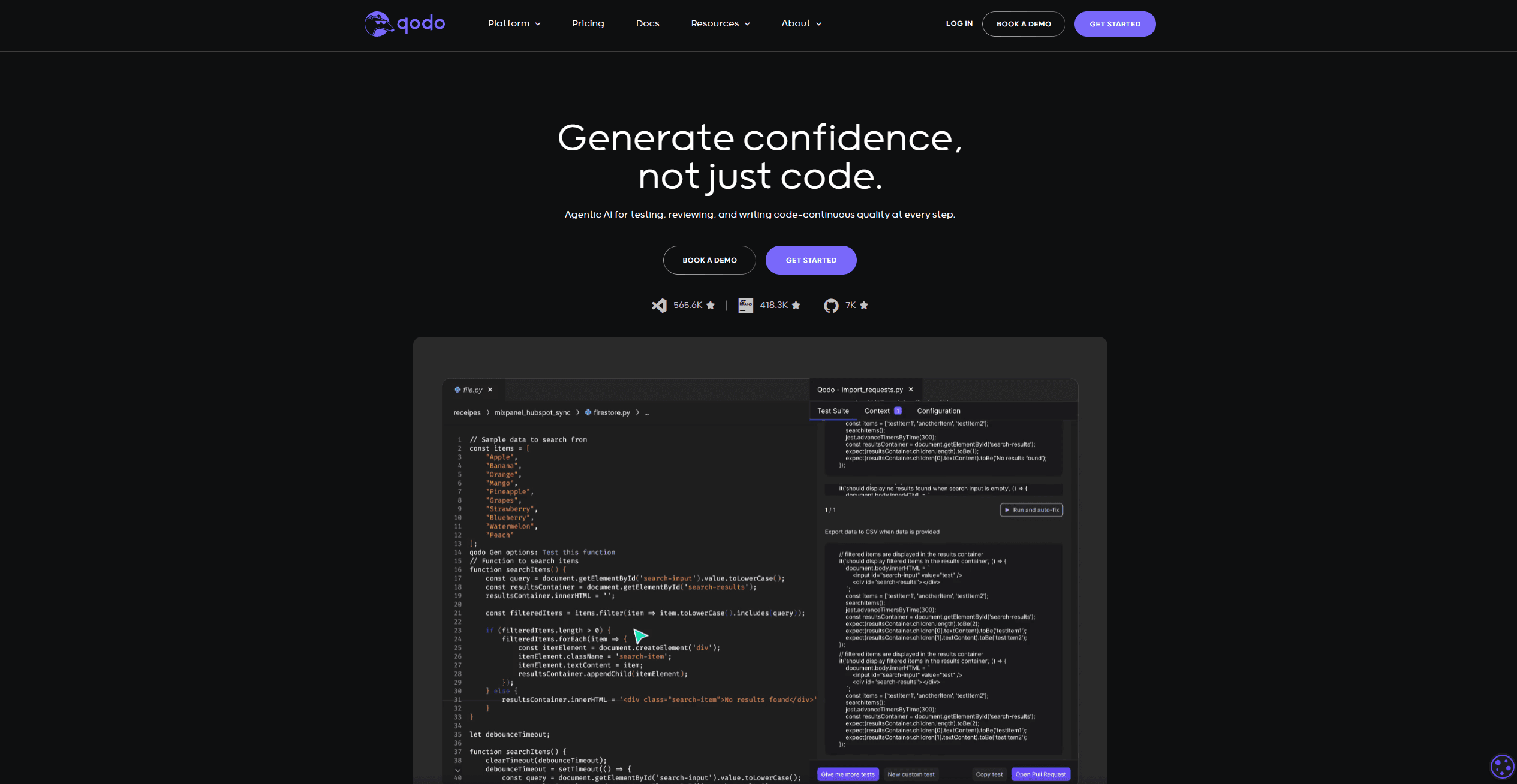
Qodo
Automates code reviews, test generation, and quality assurance.

BLACKBOX.AI
Revolutionize coding: AI generation, conversational code help, intuitive search.
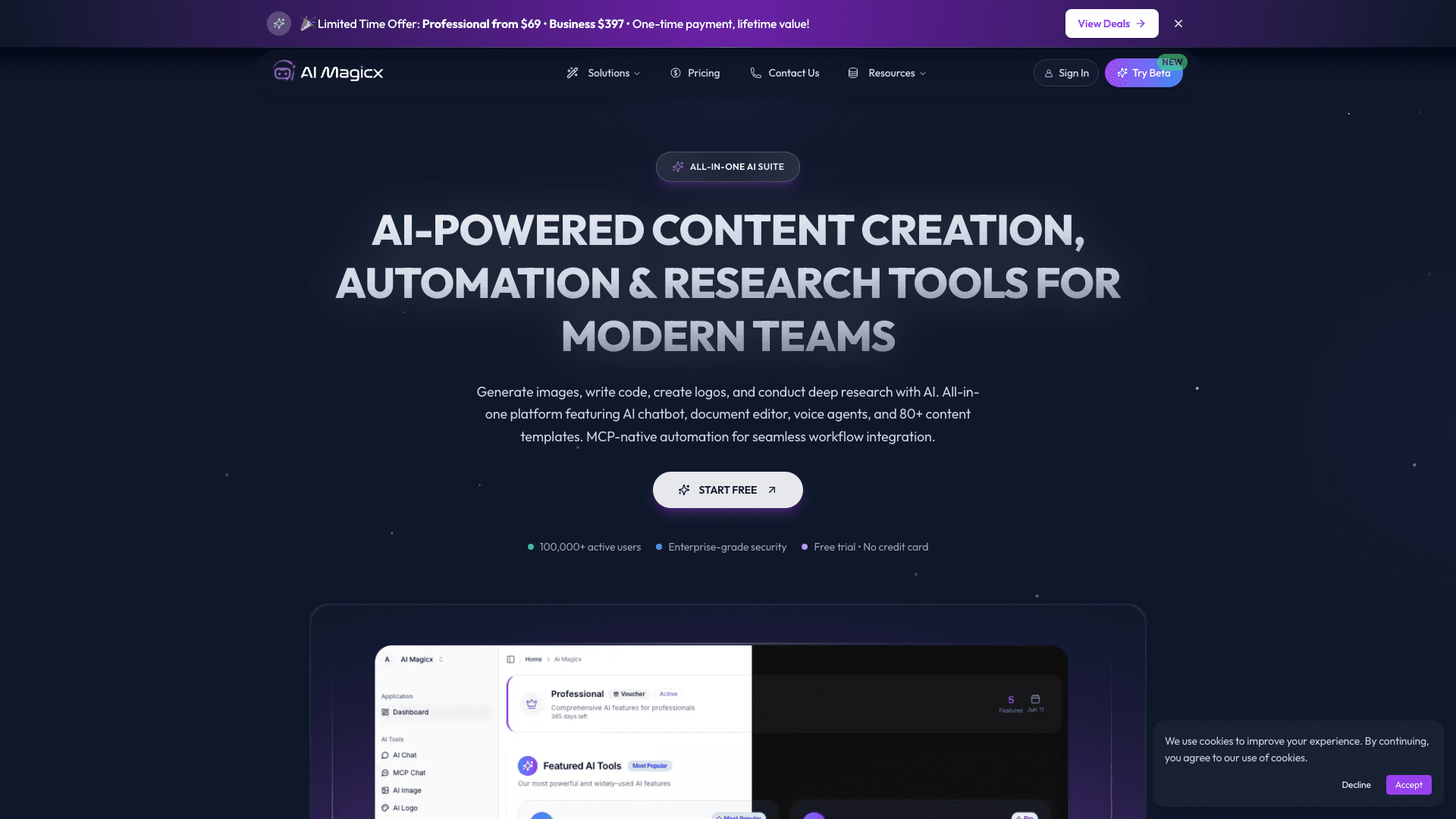
AI Magicx
AI Magicx enhances creativity with AI-driven design and coding.

10Web AI Website Builder
10Web AI Website Builder is a platform designed to help businesses and individuals create fully functional, production-ready WordPress websites quickly and without coding skills. Users simply describe
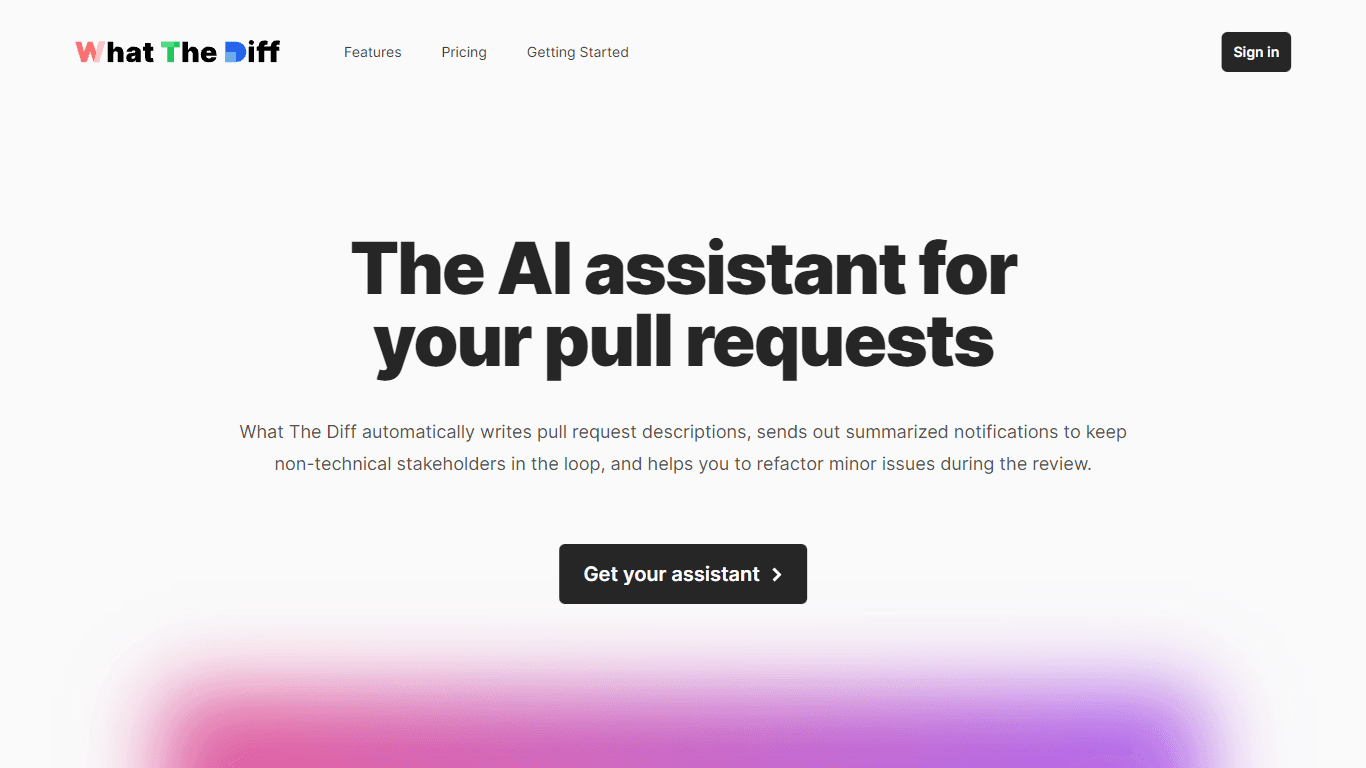
What The Diff
"What The Diff is an AI-powered code review assistant that helps streamline the pull request process. It automatically generates pull request descriptions, sends summarized notifications to non-techni

Orchids
Your fullstack AI engineer.
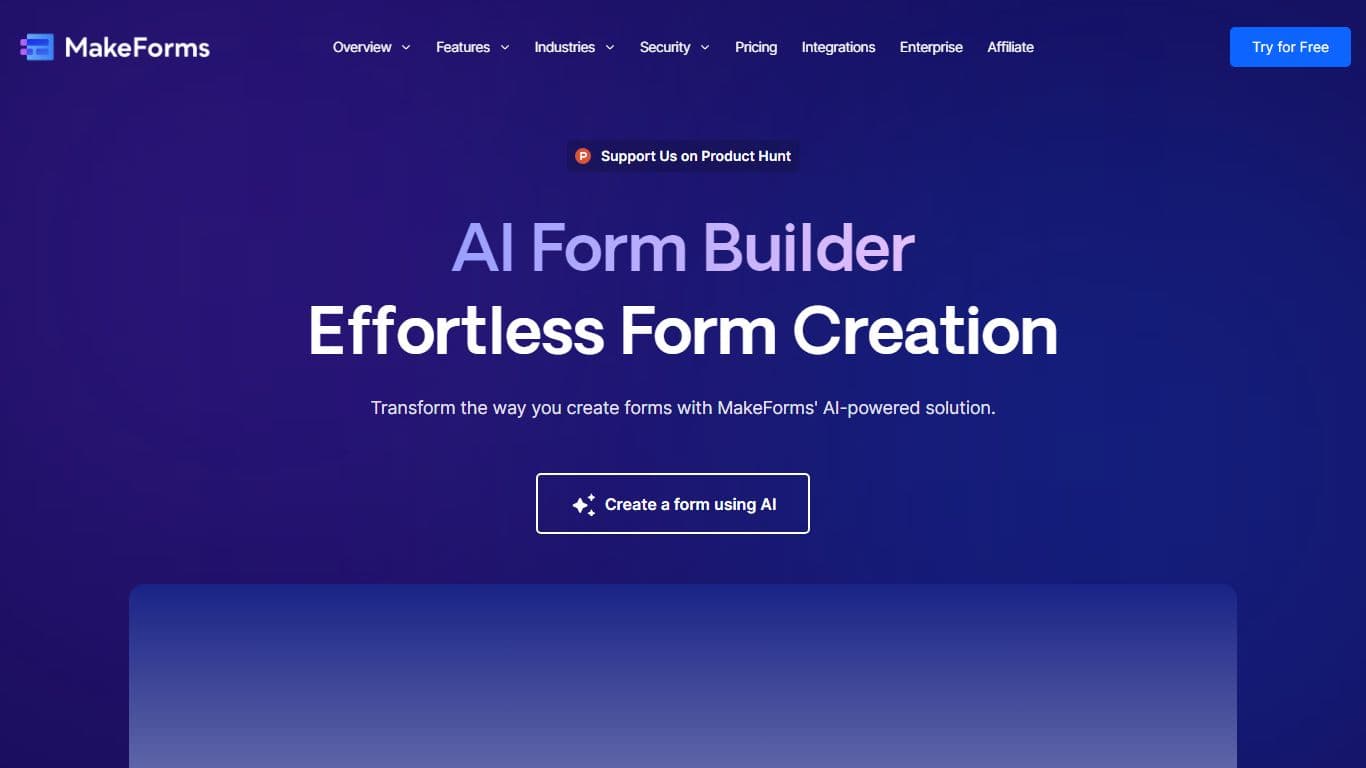
MakeForms
MakeForms’ AI Form Builder helps create responsive and customizable forms in just a few minutes by leveraging AI-powered suggestions for question types and form fields. Just provide the Form Name and