
Atlas
Ask location questions; get interactive maps and analysis.
17,282
Votes
21,368
Views
11,806
Bookmarks
About
Atlas focuses on making maps, spatial analysis, and geospatial apps approachable for non‑GIS specialists through a browser based interface and AI assistance. Users can upload spatial data, style it, run analysis, and share results as interactive maps or dashboards without installing traditional desktop GIS software. Its AI layer, led by the Navi assistant and AI data fields, lets users describe the maps or derived attributes they want in plain language, which Atlas then turns into styled visualizations and new columns in their datasets.
Key Features
- Conversational map building (Navi): Users describe a map or analysis in natural language and Atlas configures layers, styling, and filters automatically.
- AI data fields: Atlas can create new attributes from existing data based on a text prompt, useful for tagging, categorization, or derived metrics.
- Browser based GIS and collaboration: Multiple editors can work on the same map, with changes synced in real time and projects shared via links or embeds.
- 50+ spatial analysis tools: Includes buffers, overlays, routing, density and proximity analysis, plus domain specific workflows like wind power estimation or solar exposure.
- Interactive dashboards and widgets: Map based dashboards with charts, filters, buttons, and download actions turn projects into lightweight spatial applications.
Pros
- Low barrier to entry: Natural language workflows and a visual builder let non‑specialists create serious GIS outputs without months of training.
- Strong collaboration model: Browser based projects with real time editing, comments, and unlimited free viewers on higher tiers suit team environments.
- Rich data and integration story: Supports 30+ spatial formats, open data like OpenStreetMap, private Google Sheets, PostgreSQL, and PostGIS.
- Template driven workflows: Ready made templates for site selection, asset management, territory planning, and environmental analysis help users get started quickly.
Cons
- Still a SaaS only tool: Cloud reliance means no real offline mode for field conditions with poor connectivity.
- Advanced GIS users may hit limits: Deep specialists may still prefer classic power user stacks for highly bespoke workflows.
- Limited direct support channels: Support is by email and self serve resources rather than phone or always on live chat.
Who Uses It
- Real estate and property teams: Evaluating portfolios, mapping assets, and assessing sites with travel time, zoning, and amenity overlays.
- Energy and infrastructure firms: Planning wind farms, solar arrays, and grid assets with domain specific spatial analysis.
- Climate and sustainability analysts: Combining environmental datasets to study exposure, risk, and mitigation scenarios.
- Public sector and urban planners: Managing trees, streetlights, public works, and civic reporting dashboards.
- Retail and franchise operators: Designing territories, store catchments, and location strategies with travel time and demographic analysis.
- Uncommon Use Cases: Used by universities and bootcamps to teach applied GIS with a gentler learning curve; adopted by NGOs and disaster volunteers for quick situational mapping during emergencies.
Pricing
- Starter: $0 per month; includes up to 3 projects, 3 editors, 1 GB file storage, and up to 5,000 geocoding runs.
- Pro: $29 per month per seat; includes up to 10 projects, 10 GB file storage, up to 5,000 geocoding runs, export to image, PDF, and GeoJSON, custom basemaps, and logo-free embedding.
- Team: $89 per month per full seat; includes everything in Pro plus unlimited projects, unlimited free viewers, 50 GB file storage, up to 25,000 geocoding runs, shared datasets, custom colors and icons, project-level permissions, and password-protected sharing.
- Enterprise: Custom pricing; includes everything in Team plus unlimited file storage, training and onboarding, a dedicated success manager, white-label embeds, default project permissions, early feature access, and invoice billing.
You may also like
More tools in Development

UiPath
Streamline workflows with AI-driven automation and seamless integration.
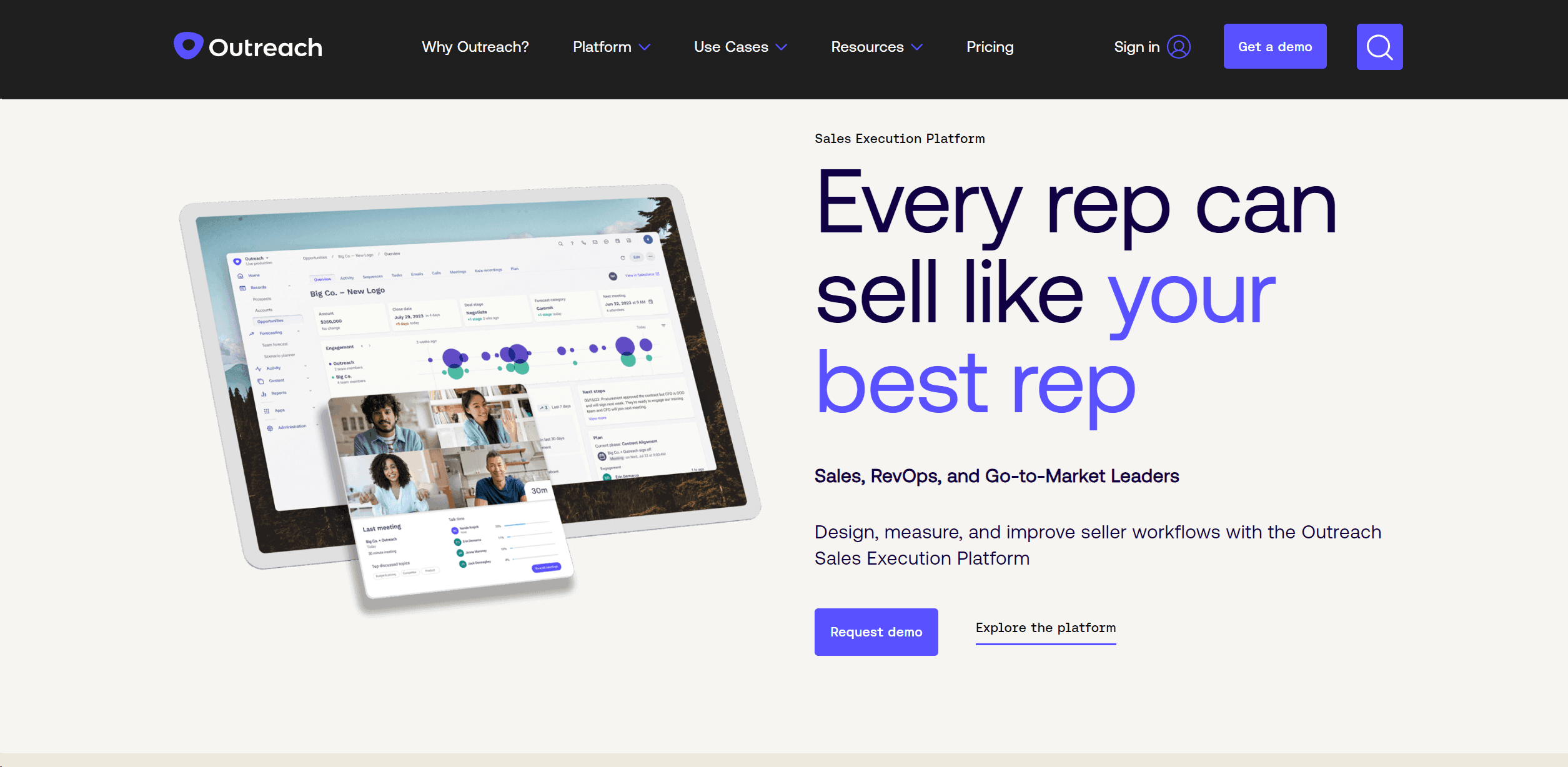
Outreach
Optimize sales, enhance workflows, boost efficiency with AI-powered tools.

Inworld
Elevate game development with dynamic NPCs, immersive worlds, and AI-driven content creation.

Lutra AI
Automate complex workflows seamlessly with AI-driven efficiency.
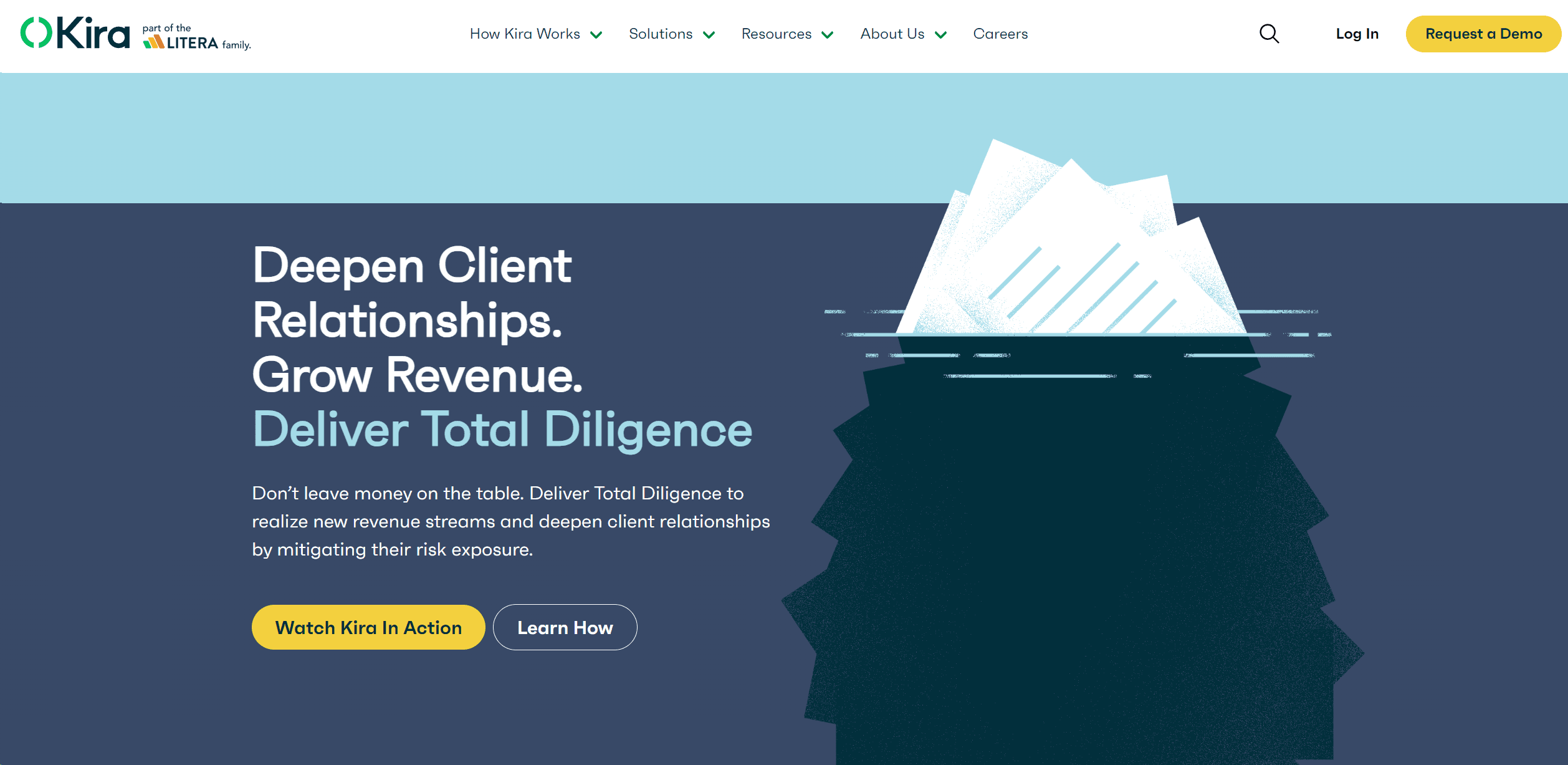
Kira Systems
Streamline contract review with AI-driven precision and customization.
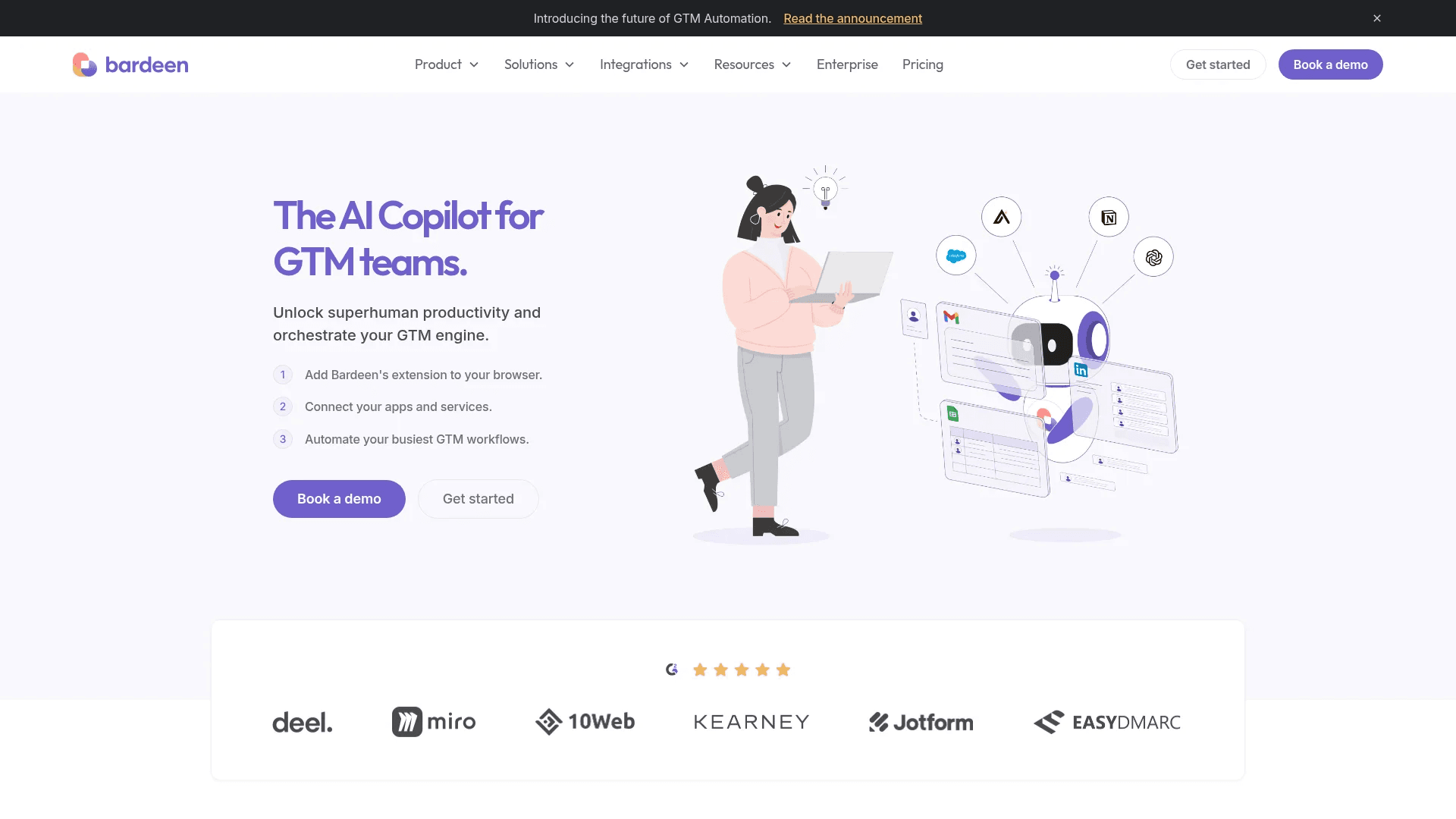
Bardeen AI
Automate workflows and enhance GTM productivity.

LangChain
Revolutionize AI application development, monitoring, and deployment.

Dora AI
Revolutionize website creation with AI: unique, prompt-driven designs made simple.

super.AI
Automate complex document tasks with precision and efficiency.

Smartsheet
Streamline workflows, automate tasks, enhance team collaboration.

MCP Showcase
Test endpoints live and showcase AI-based integrations.
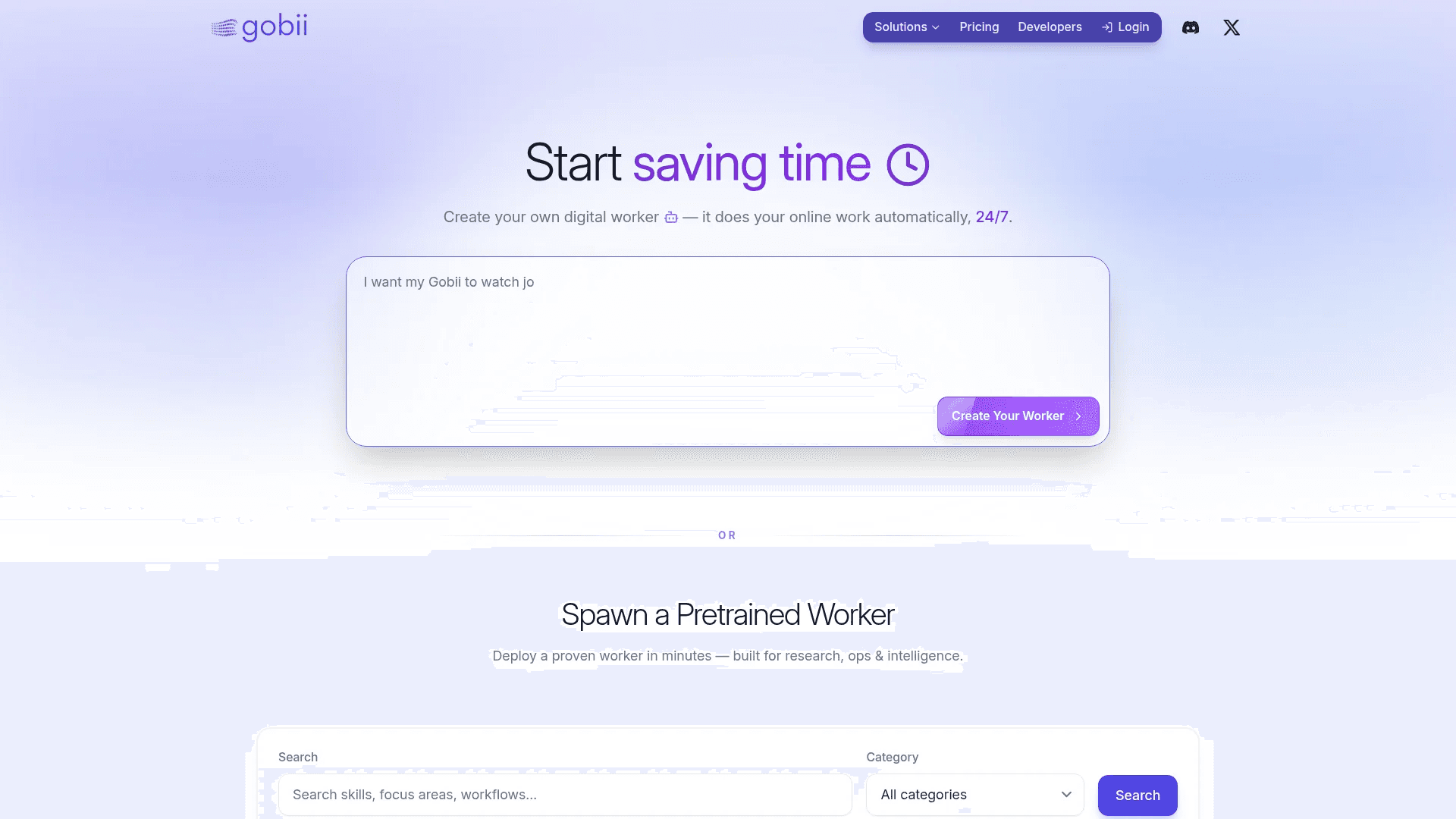
Gobii
Offload repetitive browser tasks into always-on workers.