Verdent
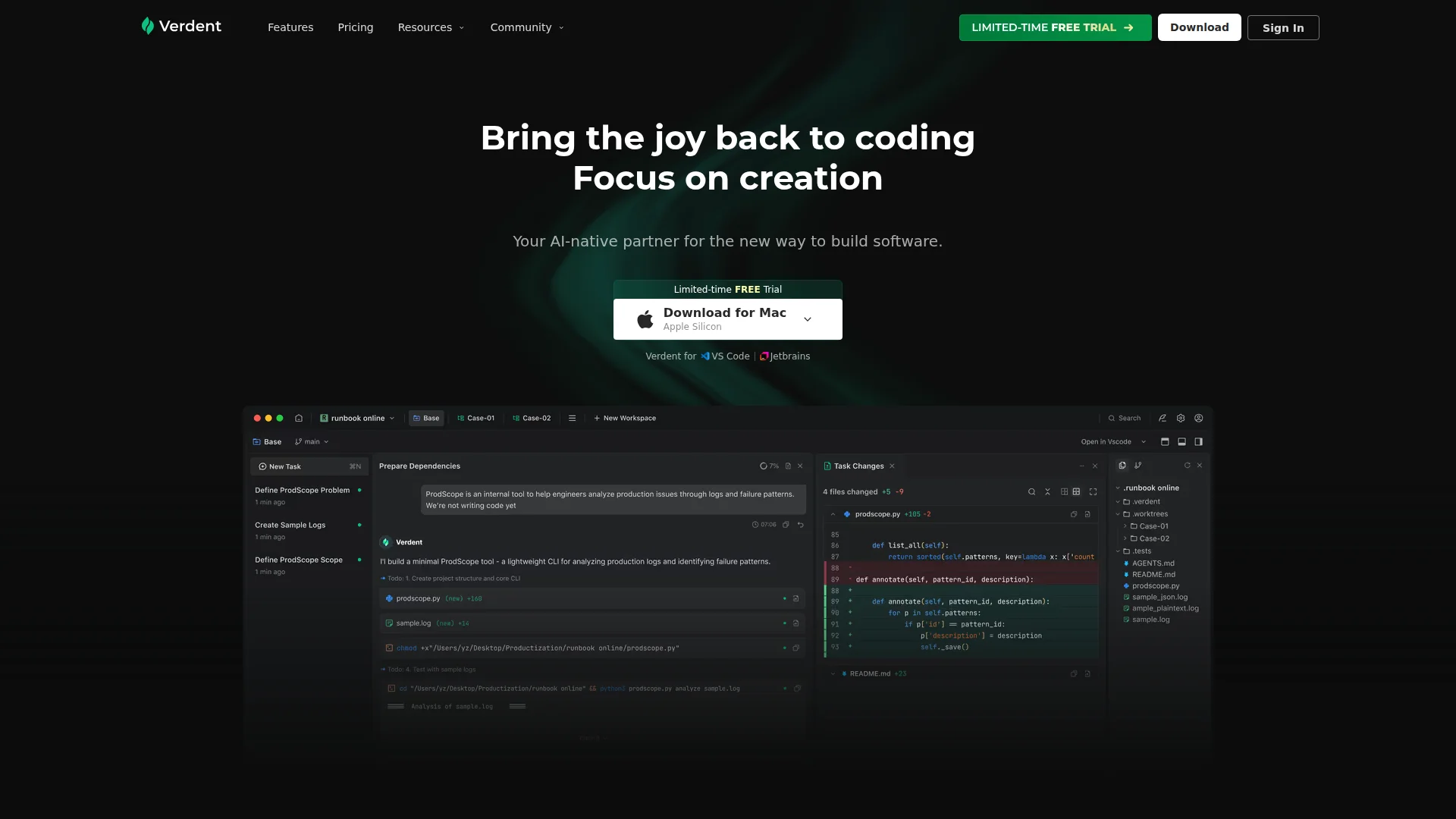
Plan, code, and review software in parallel.
17,552
Votes
28,984
Views
11,432
Bookmarks
About
Verdent is an AI-native coding environment for developers and engineering teams. It coordinates multiple AI agents to plan, write, review, and verify code across active repositories, with structured planning, isolated workspaces, and diff-focused oversight. Rather than acting like a basic autocomplete tool, it operates more like an AI coding workspace for parallel task execution and tighter review control.
Key Features
- Parallel AI Agents: Runs multiple agents at once on different coding tasks inside the same repo.
- Workspace Isolation: Uses separate Git workspaces so AI changes stay contained until they are reviewed.
- Plan Mode: Turns rough prompts into structured implementation plans before code is changed.
- Code Review and Verification: Checks edits for quality, maintainability, and likely issues before approval.
- Multi-Model Support: Lets users choose among major model options based on task depth and cost.
- Tool Connectivity: Supports outside tooling through MCP for broader workflow coverage.
Pros
- Fast On Larger Projects: Parallel agents can shorten the cycle for refactors, feature work, and bug fixing.
- Clearer Oversight: Planning and diff review give teams more visibility into what the AI changed.
- Cleaner Repositories: Isolated workspaces reduce messy branch conflicts and surprise edits.
- Built For Serious Dev Work: It suits multi-file changes better than assistants that mainly suggest lines of code.
Cons
- Credit-Based Usage: Heavy use can become expensive, especially when multiple agents are running.
- Best With Git-Centric Work: Small throwaway scripts may not benefit as much from the full workflow.
- Security Maturity Is Still Evolving: It shows strong intent here, but some enterprise trust signals are still in progress.
Who Uses It
- Software Engineers: Using Verdent for feature development, refactoring, debugging, and code review.
- Tech Leads: Using it to plan larger changes and supervise AI-generated work before merge.
- Engineering Teams: Using it to split work across parallel agents and move faster on shared repos.
- Indie Founders: Using it to build MVPs and ship product updates without a larger team.
- Data and ML Engineers: Using it for pipeline edits, scripts, internal tooling, and documentation updates.
- Uncommon Use Cases: Used by accessibility-focused teams for pre-release code checks; used by instructors to demonstrate multi-agent coding workflows in software engineering courses.
Pricing
- Free Trial: $0; includes a 7-day free trial with 100 credits, access to Claude Sonnet 4.6/Opus 4.6, GPT-5.4, Gemini 3.1 Pro, GLM-5, and MiniMax M2.7, plus about 200 frontier model requests.
- Starter: $19 per month; includes 480 credits per month, access to the listed models, about 1,000 frontier model requests, and Eco Mode for light usage.
- Pro: $59 per month; includes 1,500 credits per month, access to the listed models, about 3,000 frontier model requests, and Eco Mode for extended usage.
- Max: $179 per month; includes 4,500 credits per month, access to the listed models, about 10,000 frontier model requests, and Eco Mode for intensive workflows.
You may also like
More tools in AI Chatbots

UiPath
Streamline workflows with AI-driven automation and seamless integration.

One AI
Boost website engagement and sales with adaptive AI-driven interactions.

Spoke.ai
AI-powered tool revolutionizes team communication and project management.

Ada
Revolutionize customer service with AI across all digital platforms.
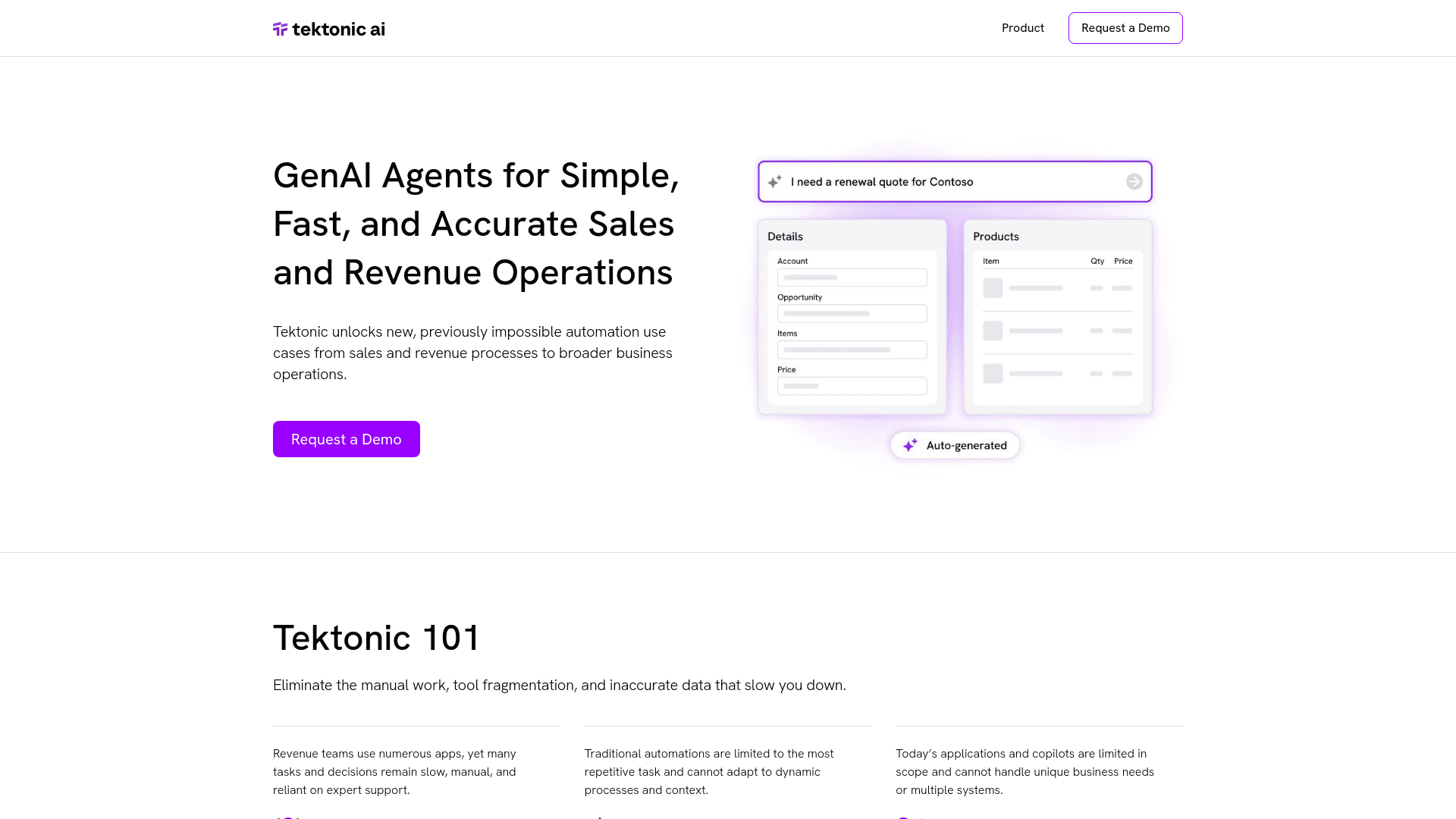
Tektonic AI
Streamline sales and revenue operations with advanced AI-driven automation.
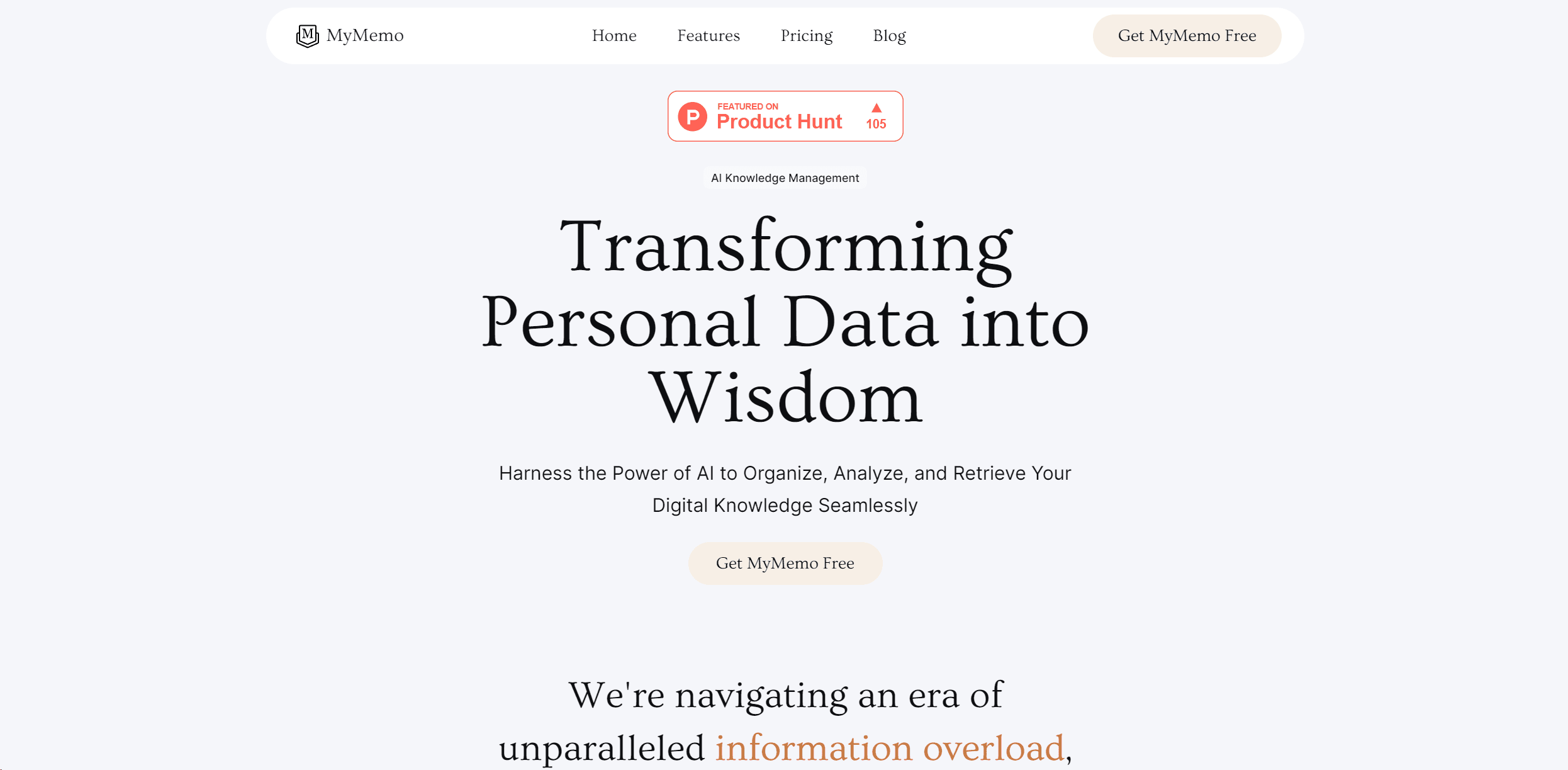
MyMemo AI
Transform digital chaos into an organized, AI-enhanced knowledge oasis.

Retell AI
Create lifelike AI voice agents, deploy anywhere, analyze real-time.

Inworld
Elevate game development with dynamic NPCs, immersive worlds, and AI-driven content creation.
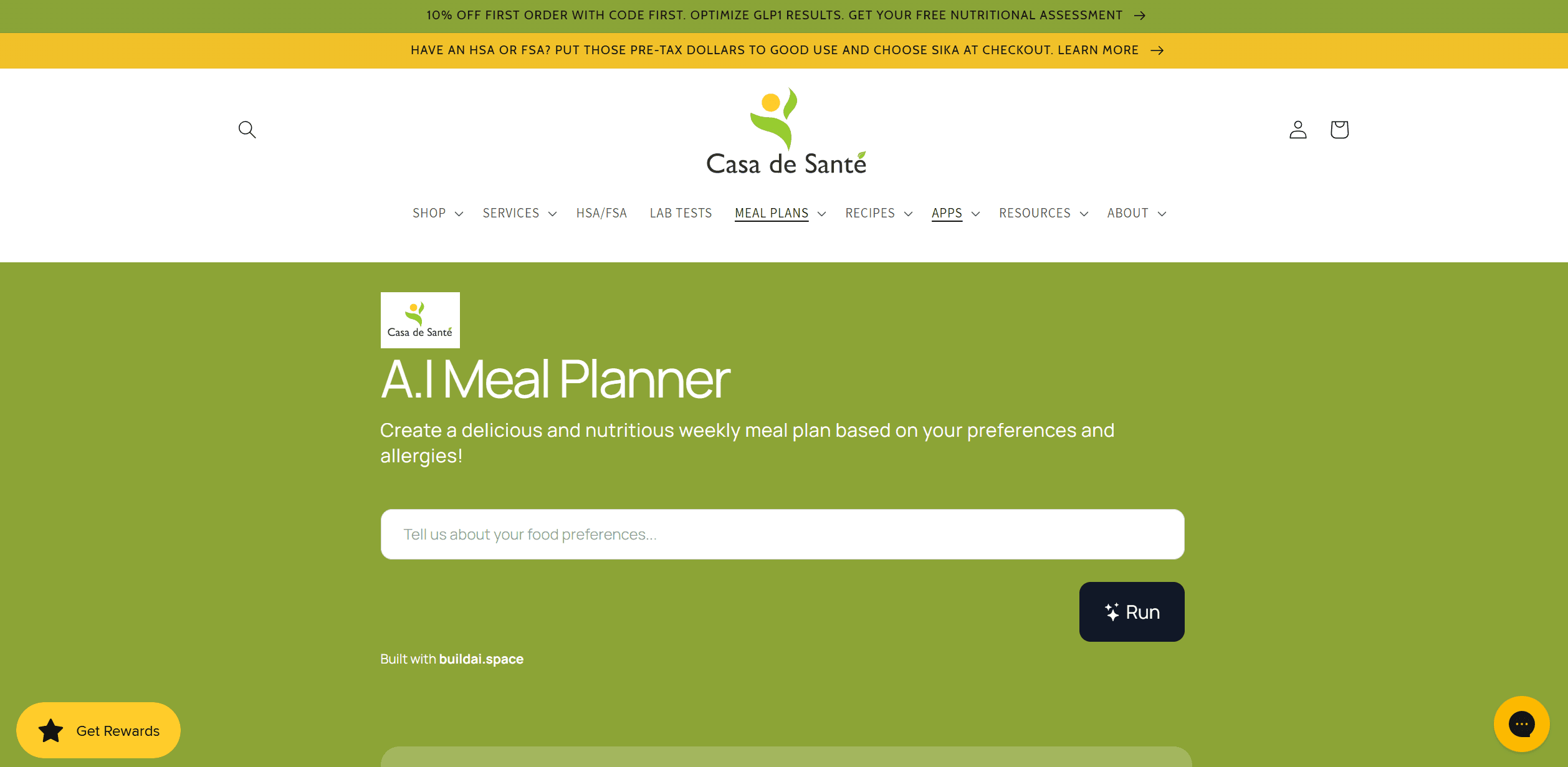
AI Meal Planner
Personalized meal plans tailored to individual dietary needs.

Whoop
Optimize fitness, sleep, and recovery with real-time health insights.

AI Trip Planner
AI-driven tool for personalized, efficient travel itinerary creation.

Hume AI
Transforms AI with emotional intelligence for natural, empathetic interactions.