Osam AI
Answer every dealership call, book service 24/7.
16,612
Votes
22,044
Views
12,176
Bookmarks
About
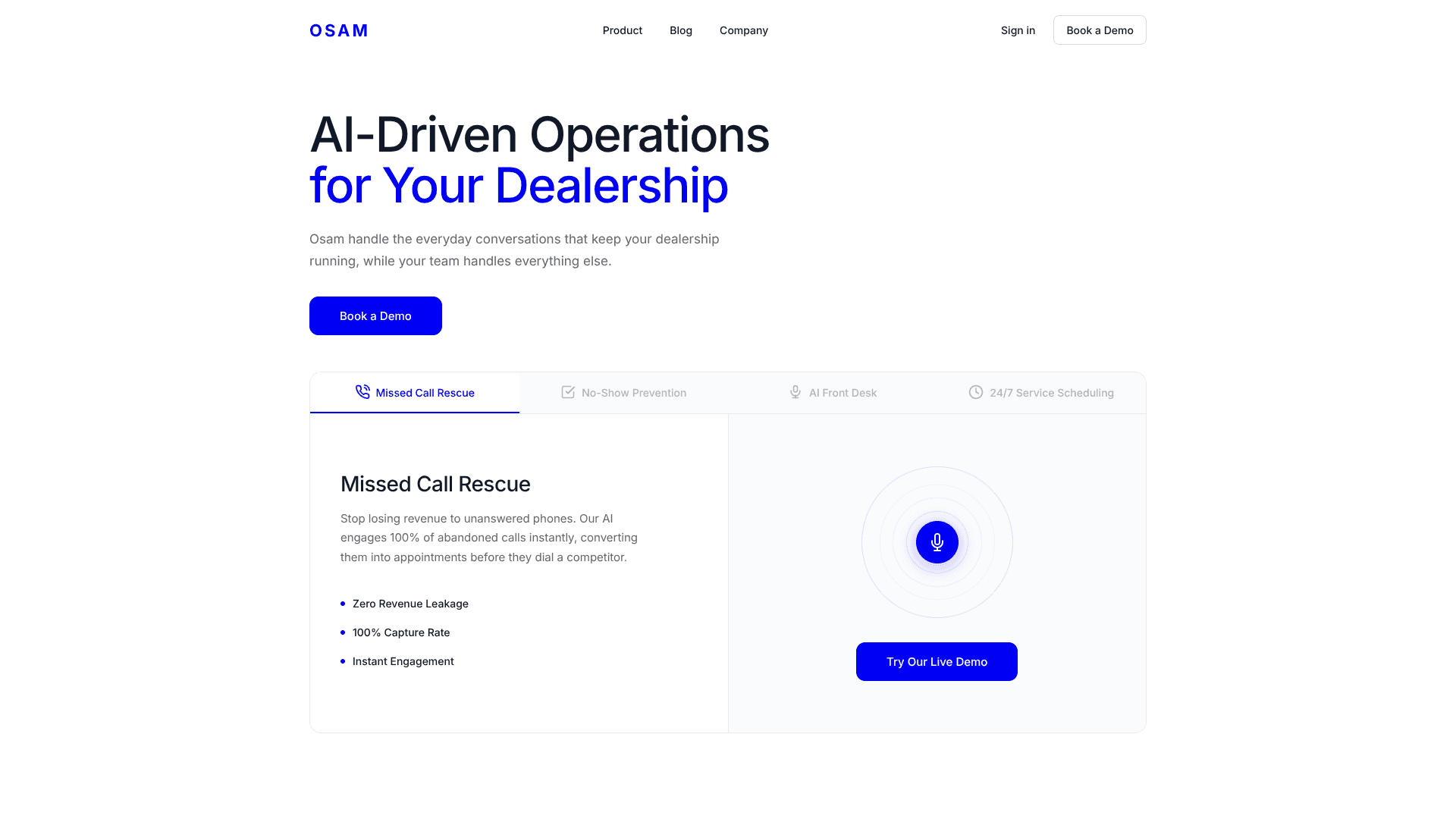
Osam AI focuses on AI-driven operations for automotive dealerships, with voice agents that answer and route calls, book service, and handle routine conversations around the clock. Positioned as an "OS for Automotive," it replaces dated IVR trees and basic IVAs with 3rd-generation, LLM-based voice technology that sounds natural and handles messy, real-world inquiries. Dealerships use it to reach a 100 percent answer rate at peak hours, achieve zero customer hold time, deflect a large share of calls from staff, and reclaim dozens of staff hours each month.
Key Features
- 3rd-Generation LLM Voice Engine: Uses large language models to support natural, multi-turn conversations that handle edge cases, unexpected phrasing, and both inbound and outbound use cases.
- Dealership-Specific Workflows: Ships with automotive-focused flows such as missed call rescue, no-show prevention, AI front desk, and 24/7 service scheduling tailored to dealer operations.
- 24/7 AI Front Desk Coverage: Answers every call at any hour, routes callers to the right place, responds to common questions, and keeps the store "always open" even when the showroom is dark.
- Performance-Focused Outcomes: Markets concrete impact such as 100 percent answer rate during peak times, 70 percent call deflection, zero hold time, and 45+ staff hours saved per month.
Pros
- Automotive Focus: Purpose-built for dealerships, so terminology, call flows, and KPIs line up with real dealer needs instead of generic contact center logic.
- Revenue-Oriented Story: Emphasizes capturing missed calls and converting them into booked appointments and added monthly revenue, not just cost cutting.
- Staff Efficiency Gains: Offloads repetitive FAQs and scheduling so advisors can focus on in-person customers and higher-value tasks.
- Modern Conversational Quality: LLM-based voice gives a more natural experience than legacy IVR menus that force touch-tone navigation.
Cons
- Niche Scope: Designed primarily for automotive retail, so it will not be the right fit for non-dealer environments.
- Opaque Public Pricing: No transparent plan grid on the site, which makes early-stage budgeting harder until a sales conversation happens.
Who Uses It
- Franchised New-Car Dealerships: Using it as an AI front desk and service scheduler to cover sales and service lines during peak and after-hours periods.
- Independent Used-Car Stores: Relying on it to answer every sales call, qualify shoppers, and protect opportunities when small teams are tied up on the lot.
- Service and Parts Departments: Letting the agent handle appointment booking, status checks, and routine parts inquiries to keep phones from overwhelming advisors.
- Dealer Groups and Centralized BDCs: Deploying voice agents across multiple rooftops to standardize call handling and reduce the load on human call center staff.
- Uncommon Use Cases: Adopted by dealer groups for recall and campaign outreach across several stores; tested by powersports or RV outlets whose workflows resemble traditional auto dealerships.
Pricing
- Custom pricing; pricing is not publicly listed and appears to be provided after a demo based on the user’s needs.
You may also like
More tools in AI Chatbots

UiPath
Streamline workflows with AI-driven automation and seamless integration.

One AI
Boost website engagement and sales with adaptive AI-driven interactions.

Spoke.ai
AI-powered tool revolutionizes team communication and project management.
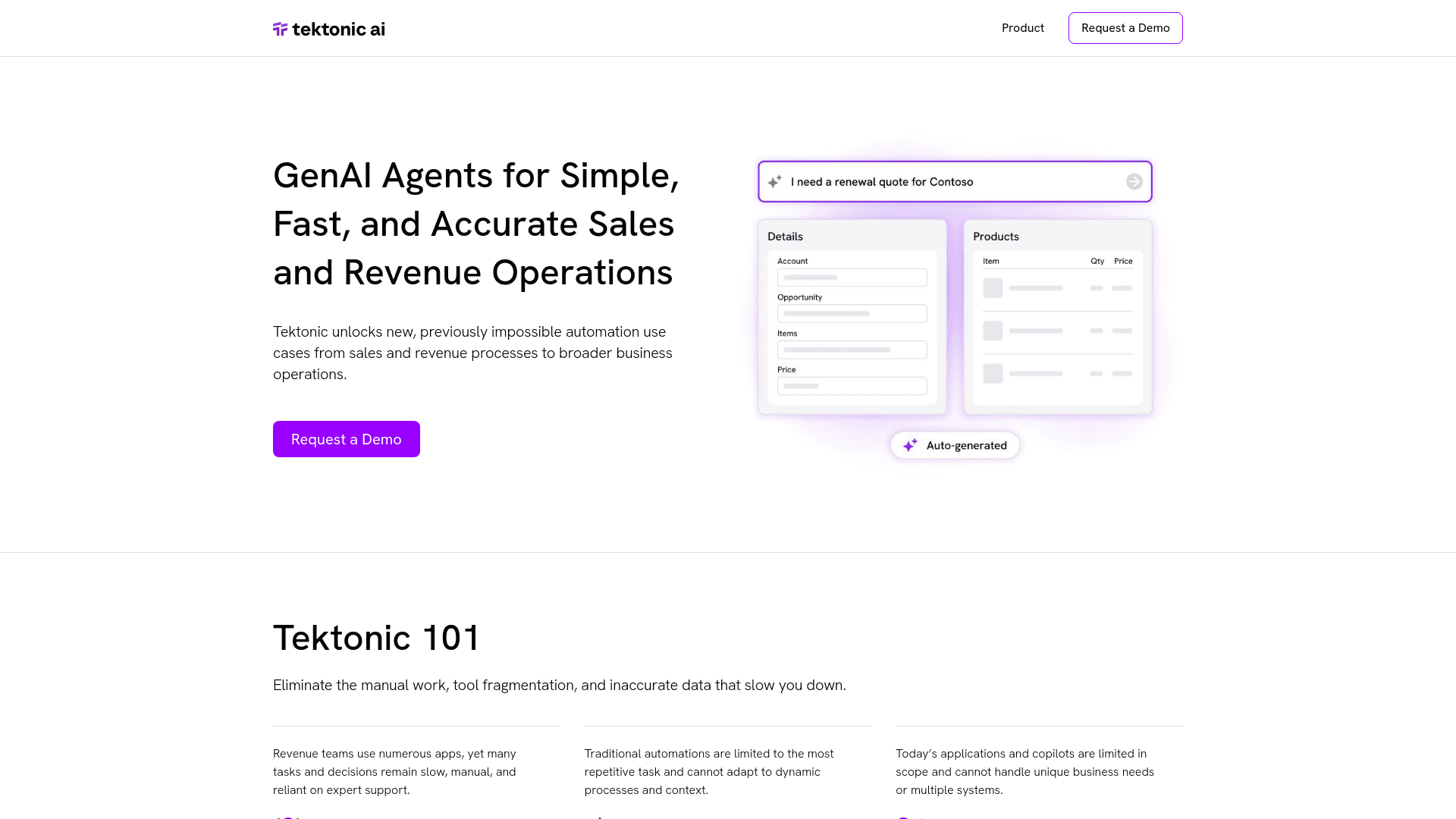
Tektonic AI
Streamline sales and revenue operations with advanced AI-driven automation.

Retell AI
Create lifelike AI voice agents, deploy anywhere, analyze real-time.

Ada
Revolutionize customer service with AI across all digital platforms.

Inworld
Elevate game development with dynamic NPCs, immersive worlds, and AI-driven content creation.
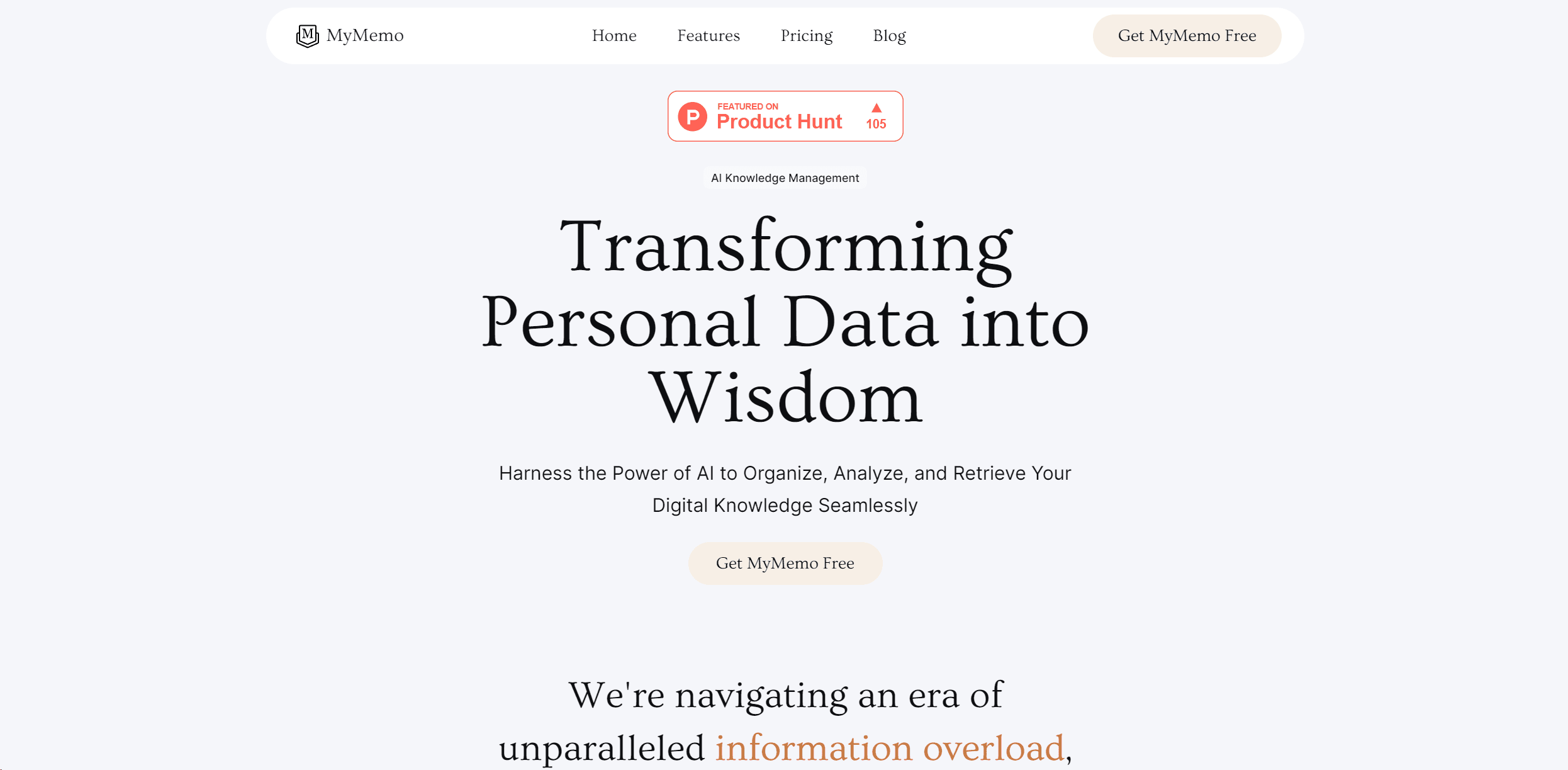
MyMemo AI
Transform digital chaos into an organized, AI-enhanced knowledge oasis.
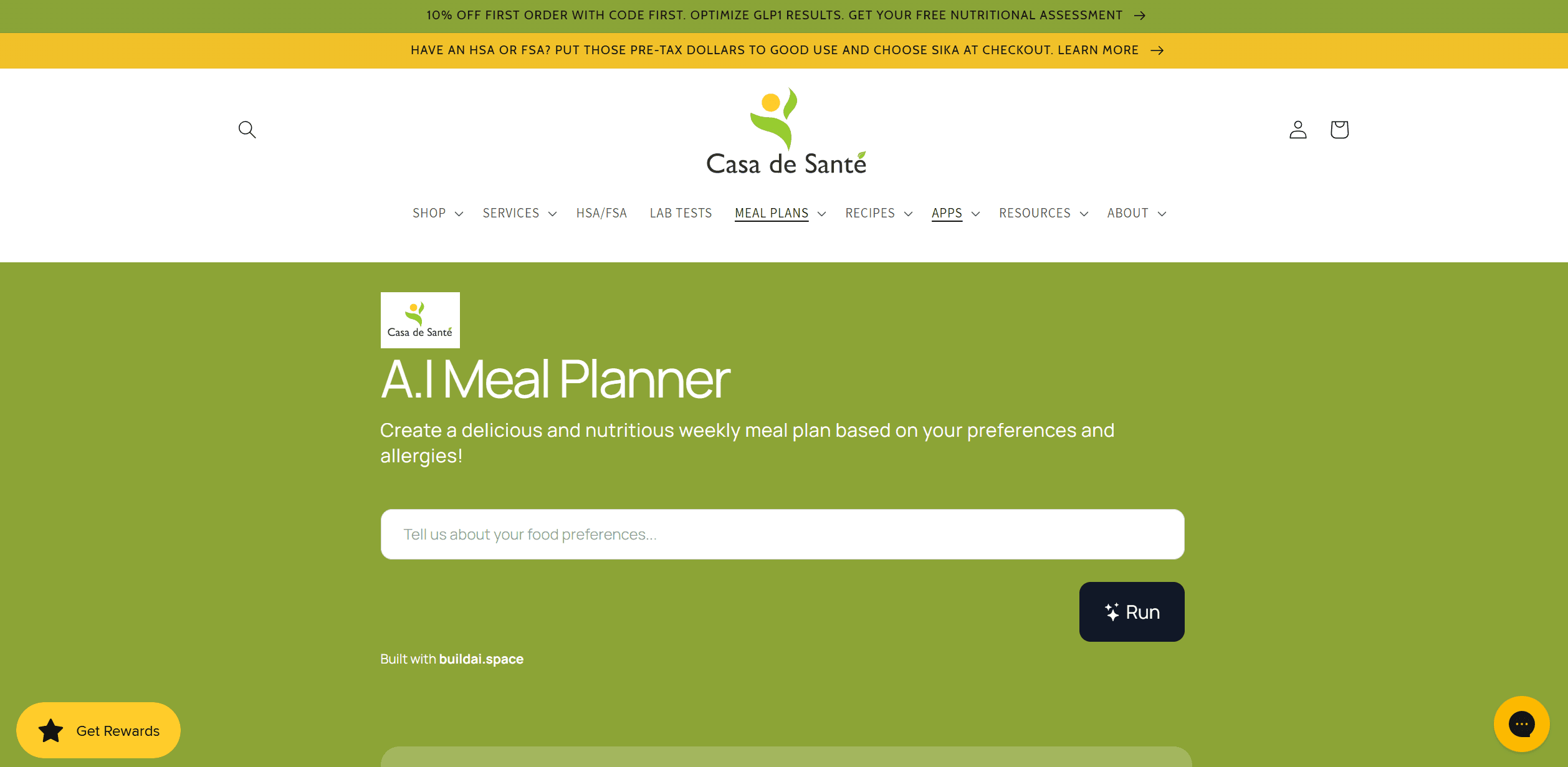
AI Meal Planner
Personalized meal plans tailored to individual dietary needs.
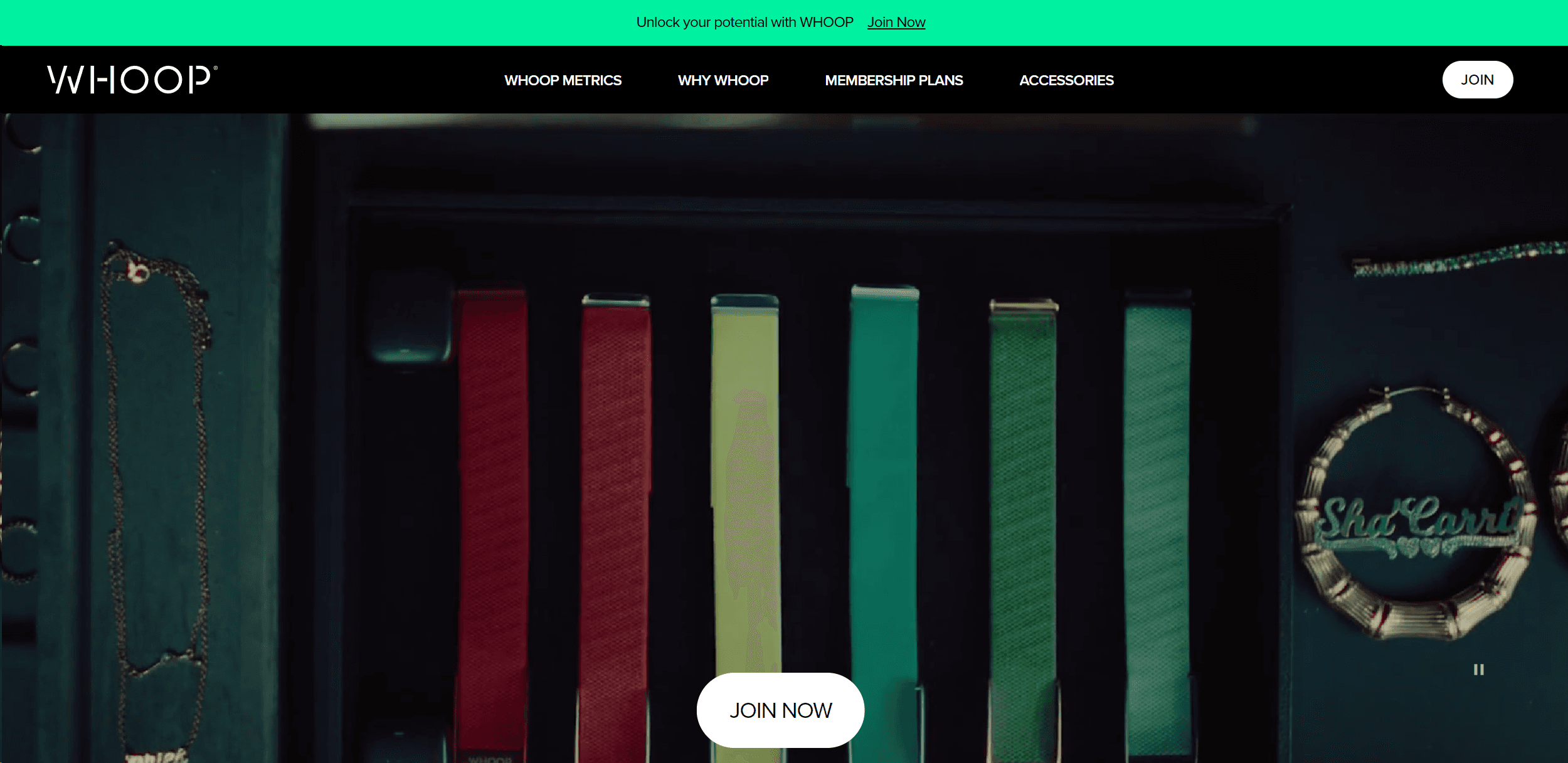
Whoop
Optimize fitness, sleep, and recovery with real-time health insights.
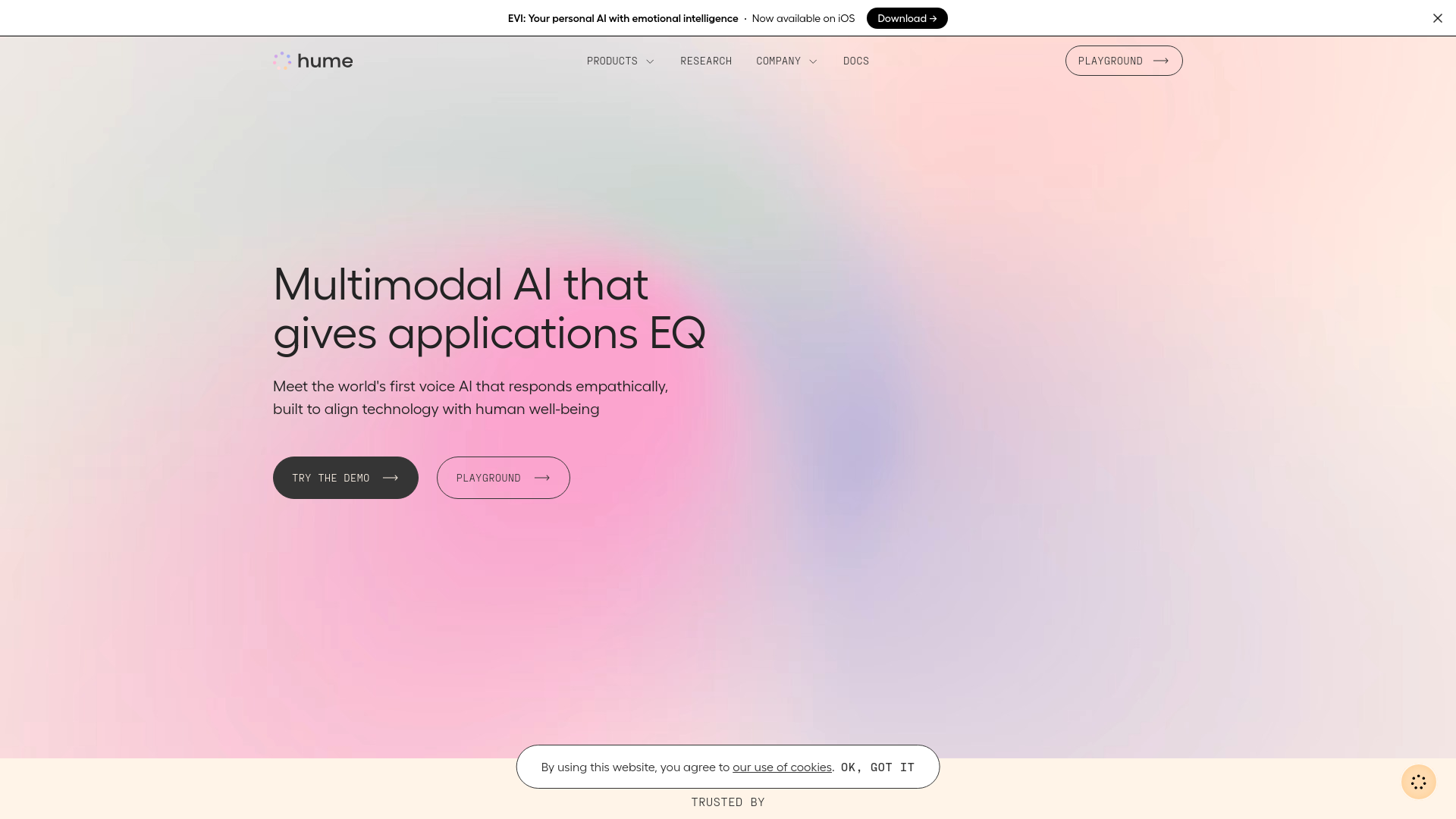
Hume AI
Transforms AI with emotional intelligence for natural, empathetic interactions.
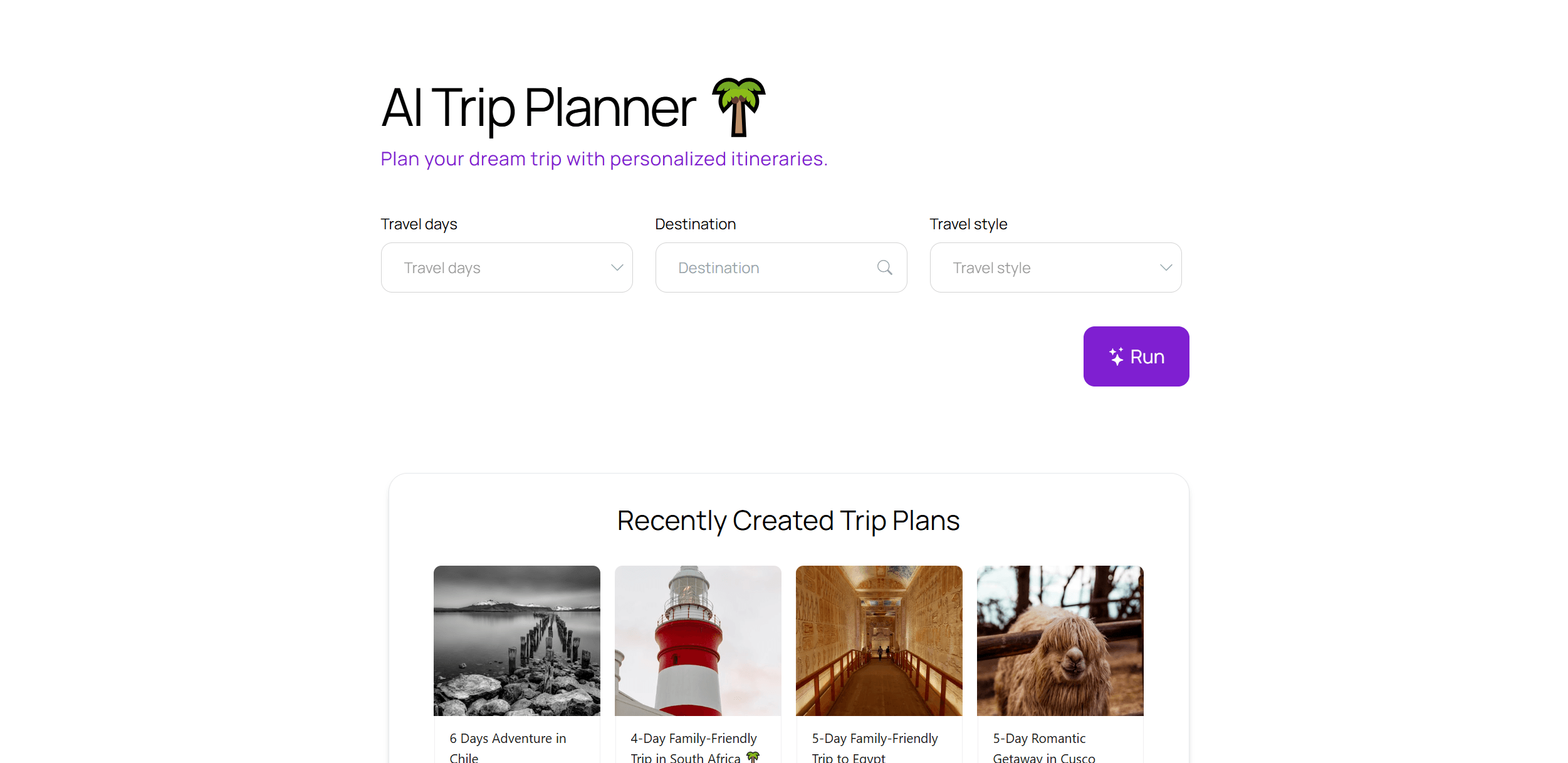
AI Trip Planner
AI-driven tool for personalized, efficient travel itinerary creation.