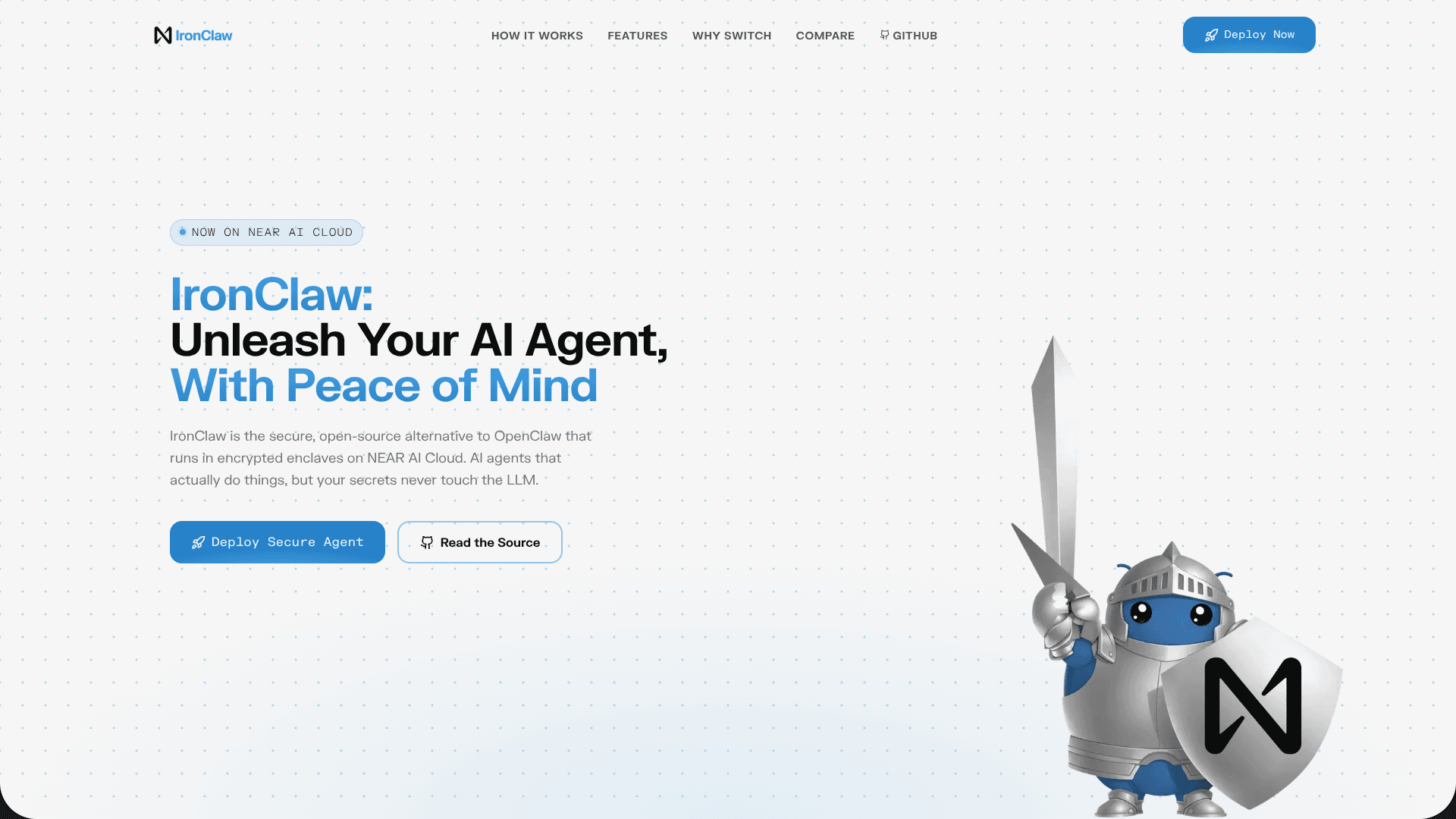
IronClaw
Run agents automating systems with your secrets locked.
11,908
Votes
12,536
Views
7,649
Bookmarks
About
IronClaw focuses on running AI agents that can touch real systems without putting secrets at risk. Built on NEAR AI Cloud and Rust, it wraps OpenClaw-style personal agents in encrypted enclaves, WebAssembly sandboxes, and an encrypted credential vault. The headline idea is simple: agents can browse, code, and automate while API keys, tokens, and passwords never become LLM-visible text.
Key Features
- Encrypted credential vault: Stores API keys, tokens, and passwords encrypted at rest, injecting them only at the network boundary for explicitly allowlisted endpoints.
- Trusted Execution Environment (TEE): Each IronClaw instance boots inside a hardware-backed encrypted enclave on NEAR AI Cloud, protecting data in memory from the host and provider.
- WebAssembly tool sandboxing: Every tool runs in its own Wasm container with capability-based permissions, no filesystem access, strict resource limits, and constrained outbound networking.
- Leak detection for secrets: Outbound traffic is scanned in real time, and anything that resembles credential exfiltration is blocked before it reaches the internet.
- Rust-based runtime: The entire runtime is written in Rust, avoiding classes of memory bugs like buffer overflows and use-after-free, and skipping a garbage collector.
- OpenClaw compatibility and simple deploy: Offers the same agent capabilities as OpenClaw with one-click deployment on NEAR AI Cloud or local runs, plus open-source code on GitHub.
Pros
- High-assurance secret handling: Secrets never appear in prompts or tool outputs, which sharply reduces prompt-injection risk around credentials.
- Defense-in-depth model: Combines vault, TEE, sandboxing, network allowlists, and leak detection instead of relying on LLM instructions like “please do not leak this.”
- Developer friendly for serious agents: Lets developers keep familiar workflows such as browsing, research, coding, and automation while tightening security around sensitive APIs.
- Open source and auditable: Source code availability invites external review, customization, and easier compliance conversations.
- Scales from experiments to production: From a single agent to multiple high-usage agents with large monthly token allowances, all in the same security model.
Cons
- Rust and Wasm centric stack: Teams heavily invested in TypeScript or Python may face extra overhead adapting tools to the Rust/Wasm model.
- Cloud dependence for managed security: The easiest path runs on NEAR AI Cloud, which may not suit organizations locked into other providers.
- Younger ecosystem: Compared with older agent platforms, there are fewer community skills and integrations, so early adopters may build more pieces themselves.
Who Uses It
- Security-conscious AI developers: Building agents that call production APIs, financial systems, or internal services where credential exposure is unacceptable.
- Platform and DevOps teams: Providing company-wide AI assistants while keeping strict guardrails around infrastructure and internal tools.
- Fintech and healthtech companies: Experimenting with agentic workflows on regulated or sensitive data while still respecting compliance and risk constraints.
- Research labs and data teams: Running exploratory agents over proprietary datasets while reducing exposure to model providers and third parties.
- Uncommon Use Cases: Used by red-team and security researchers to prototype exfil-resistant agent setups; adopted by solo founders who want “serious” security without standing up their own enclave stack.
Pricing
- Starter: $0 per month. Activate 1 agent instance in a secure TEE environment and pay per usage token using NEAR AI Inference.
- Basic: $20 per month. Includes everything in Starter, plus credits for up to 2 agent instances and roughly 13 million tokens with usage pooling.
- Pro+: $200 per month. Includes everything in Basic, supports up to 5 agent instances, around 130 million tokens, and priority support.
- Self-hosted: Open-source code can be deployed on a team’s own infrastructure, with costs determined by underlying cloud and operations choices.
You may also like
More tools in AI Chatbots

One AI
Boost website engagement and sales with adaptive AI-driven interactions.

Ada
Revolutionize customer service with AI across all digital platforms.
Replicate
Unlock AI's potential: run, fine-tune, deploy models easily and cost-effectively.
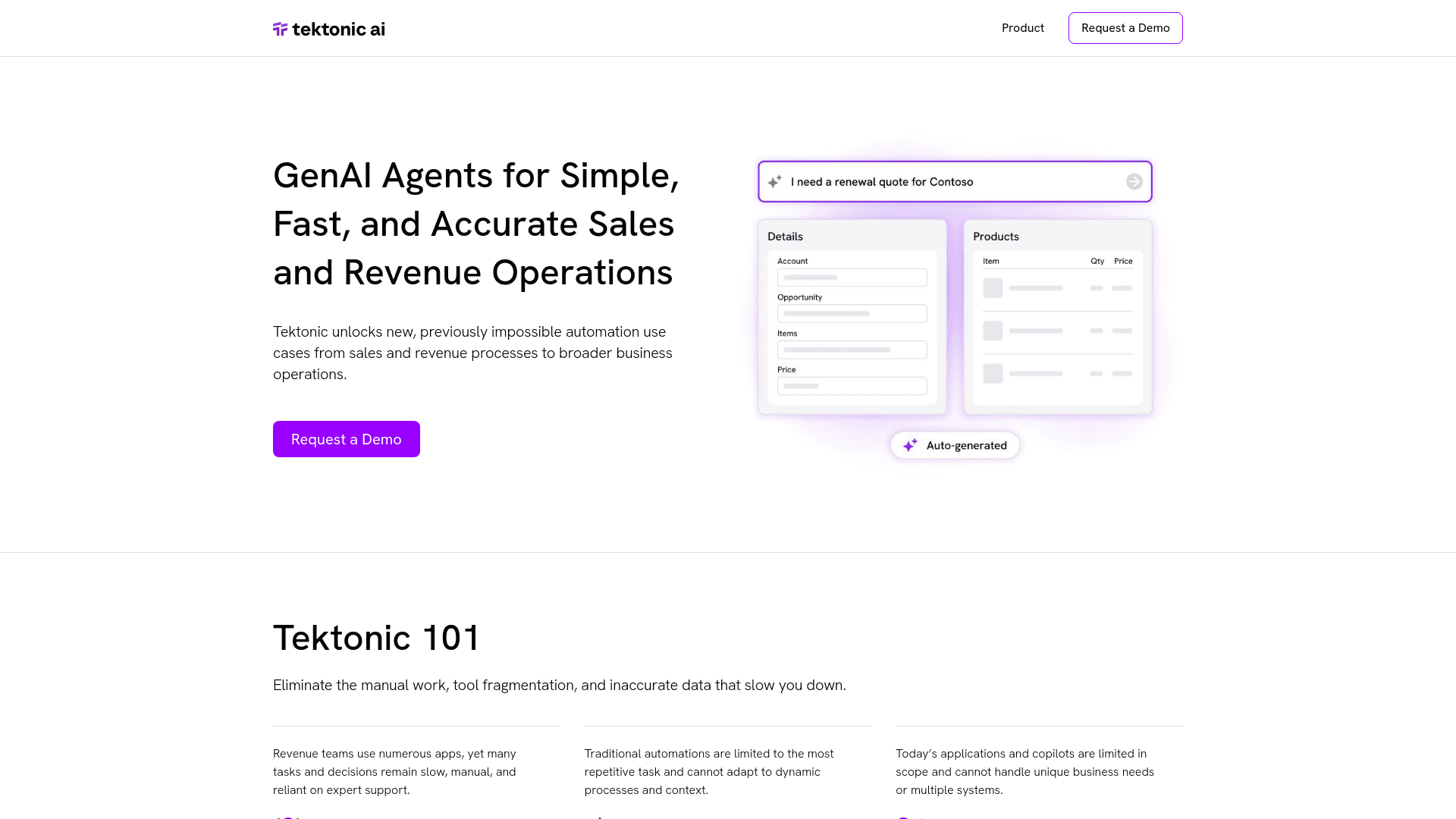
Tektonic AI
Streamline sales and revenue operations with advanced AI-driven automation.

Retell AI
Create lifelike AI voice agents, deploy anywhere, analyze real-time.

UiPath
Streamline workflows with AI-driven automation and seamless integration.

Heidi
Streamline healthcare admin tasks, and enhance patient focus.
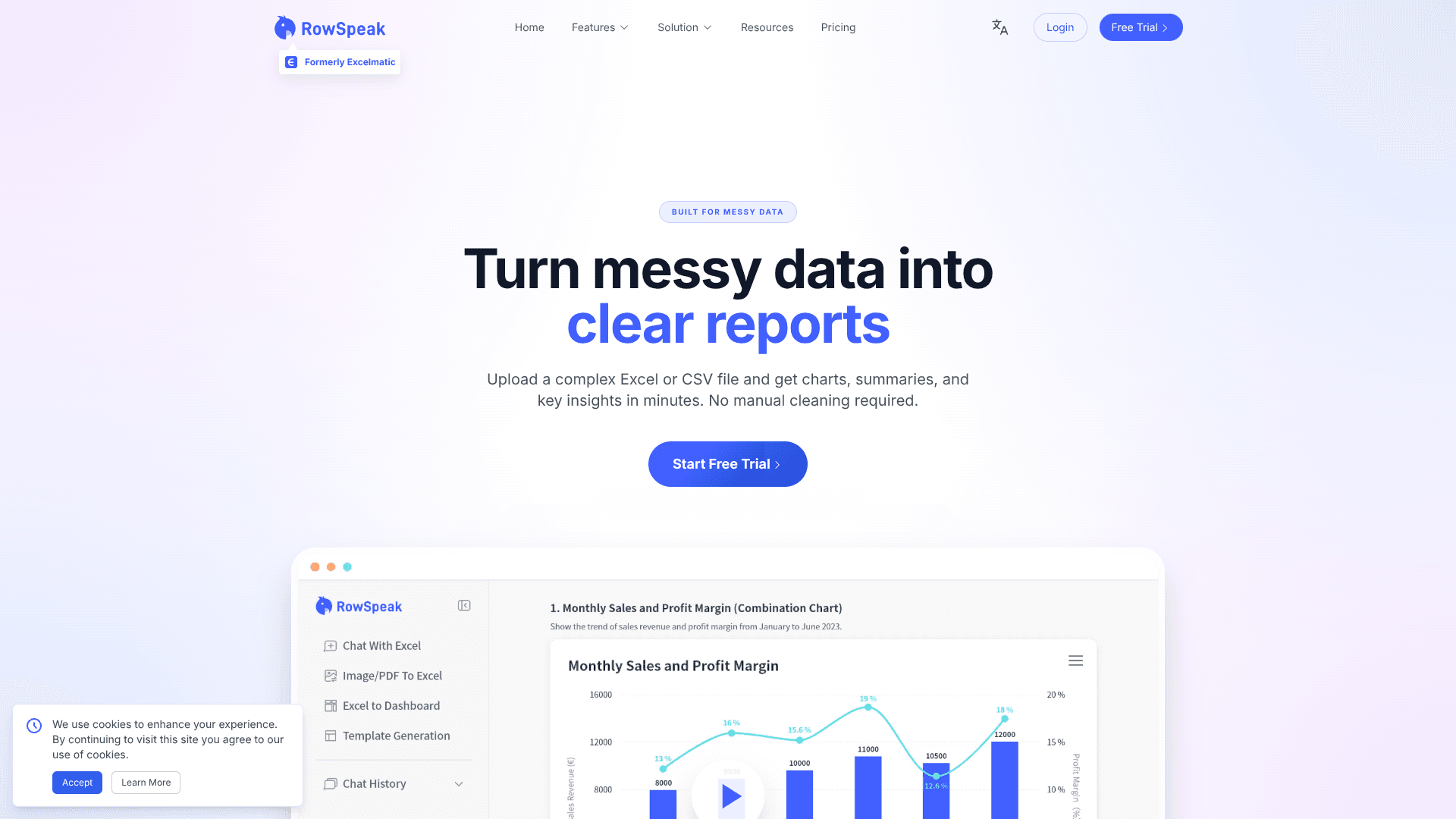
RowSpeak
Turn messy spreadsheets into clear, ready reports.
MyMemo AI
Transform digital chaos into an organized, AI-enhanced knowledge oasis.

Replika
AI companion for personalized chat, emotional support, and self-growth.

Spoke.ai
AI-powered tool revolutionizes team communication and project management.

Inworld
Elevate game development with dynamic NPCs, immersive worlds, and AI-driven content creation.