
Project Aria
Project Aria is a research initiative by Meta focused on advancing augmented reality (AR) and artificial intelligence (AI) through egocentric research. It provides researchers with wearable glasses eq
12,290
Votes
16,404
Views
7,572
Bookmarks
About
Project Aria is a research initiative by Meta focused on advancing augmented reality (AR) and artificial intelligence (AI) through egocentric research. It provides researchers with wearable glasses equipped with advanced sensors to capture the user's perspective and environment. The program supports a broad community including academic institutions, industry partners, and independent researchers by offering access to Aria Gen 2 glasses and a comprehensive research kit. The latest generation, Aria Gen 2, introduces significant hardware improvements such as multiple cameras, eye tracking, on-device compute, and new sensors like PPG and contact microphones. These enhancements enable always-on sensing and human-in-the-loop features, expanding research possibilities in contextual AI and robotics. Project Aria emphasizes open research by sharing high-quality datasets, tools, and models publicly. This openness fosters collaboration and accelerates progress in computer vision, scene understanding, and contextual AI. Researchers can access extensive datasets including city-scale egocentric data and synthetic environments, as well as tools like EgoBlur and SceneScript. The program's value lies in bridging the gap between research and real-world AR applications, enabling innovations that inform future consumer products. Its unique sensor suite and on-device processing capabilities set it apart from previous AR research tools, allowing for richer data collection and analysis. Technical implementation includes a wearable glasses form factor with integrated SLAM cameras, RGB and eye-tracking cameras, inertial measurement units, microphones, and global navigation sensors. The device supports local and cloud streaming, programmable applications, and extended battery life compared to the first generation. Meta offers a rolling application process for the Aria Research Kit, making the technology accessible to a wider research community. The program also maintains extensive documentation, open-source software, and active engagement through public datasets and challenges. Overall, Project Aria is a comprehensive platform that advances AR and AI research by providing state-of-the-art hardware, open resources, and a collaborative ecosystem to explore human-centered machine perception.
Key Features
- Advanced Sensor Suite 🎥: Multiple cameras and sensors capture detailed user context for richer research data.
- On-Device Compute ⚙️: Supports running applications directly on the glasses for real-time processing.
- Always-On Sensing 🔄: Continuous data collection enables comprehensive environment and user behavior analysis.
- Open Research Resources 📂: Access to extensive public datasets and tools accelerates AI and AR development.
- Collaborative Research Kit 🤝: Rolling applications provide researchers with hardware and software to conduct independent studies.
Pros
- Provides state-of-the-art wearable AR research hardware with advanced sensors.
- Offers open access to high-quality datasets and tools for the research community.
- Supports on-device compute enabling real-time AI and robotics experiments.
- Facilitates collaboration between Meta, academia, and industry partners.
- Includes extensive documentation and open-source software for ease of use.
Cons
- Battery life limited to 6-8 hours, which may constrain longer sessions.
- Hardware primarily available through application, limiting immediate access.
- Device and tools require technical expertise to operate effectively.
FAQ
How can researchers apply for the Aria Research Kit?
Researchers can apply through a rolling application process on the Project Aria website to receive the Aria Gen 2 glasses and research tools.
What improvements does Aria Gen 2 offer over Gen 1?
Aria Gen 2 includes more cameras, eye tracking, on-device compute, new sensors like PPG and contact microphones, longer battery life, and programmable applications.
Are the datasets collected by Project Aria publicly available?
Yes, Project Aria shares high-quality public datasets to support open research in computer vision and contextual AI.
Can applications be run directly on the Aria Gen 2 glasses?
Yes, Aria Gen 2 supports on-device programmability allowing researchers to deploy and run applications locally.
What types of sensors are integrated into the Aria Gen 2 glasses?
The glasses include SLAM cameras, RGB and eye-tracking cameras, IMU, barometer, magnetometer, microphones, GNSS, PPG sensors, and contact microphones.
Is Project Aria suitable for independent researchers outside Meta?
Yes, Meta provides the Aria Research Kit to external researchers to enable independent studies in AR and AI.
You may also like
More tools in Other
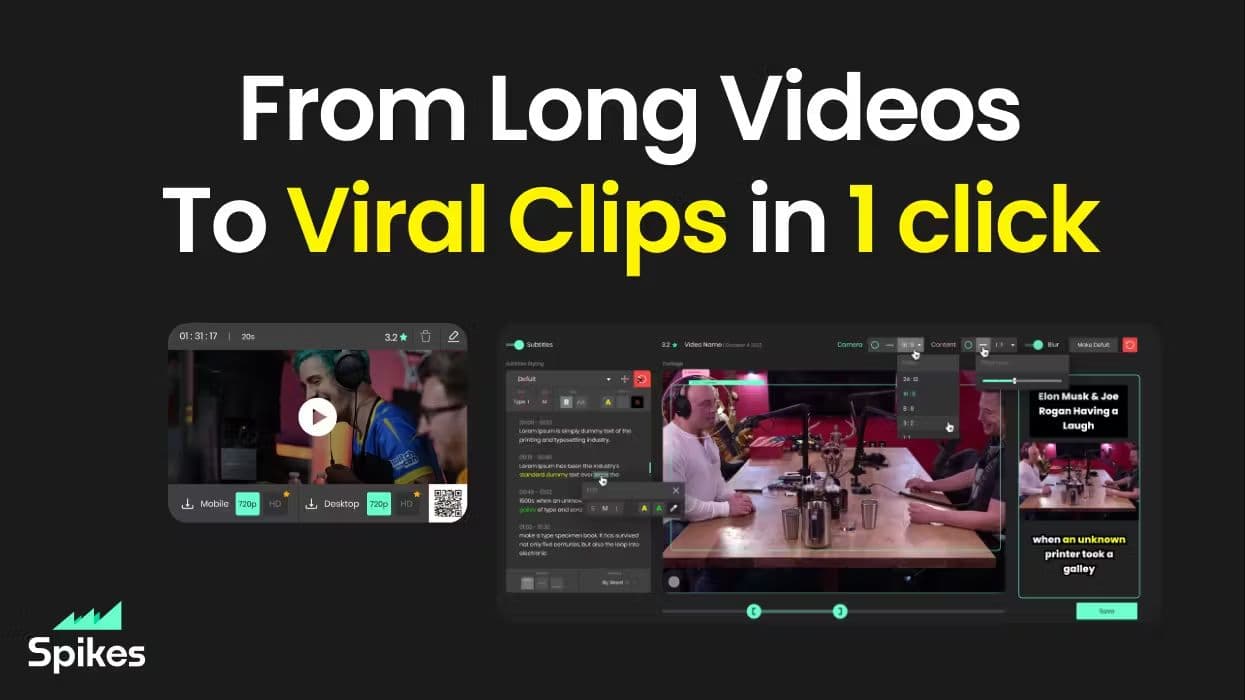
Spikes Studio
Spikes helps creators extract captivating shorts from any video. Automatically get a title, description, hashtag recommendations, auto-captions, AI styling and quickly edit. Grow and give your audienc

Tortus
Transform healthcare with AI-driven EHR efficiency and support.

@kuki_ai
Welcome to the world of Kuki, an award-winning artificial intelligence designed to bring entertainment to the digital age. Dive into engaging conversations with AI that's crafted to provide not just r
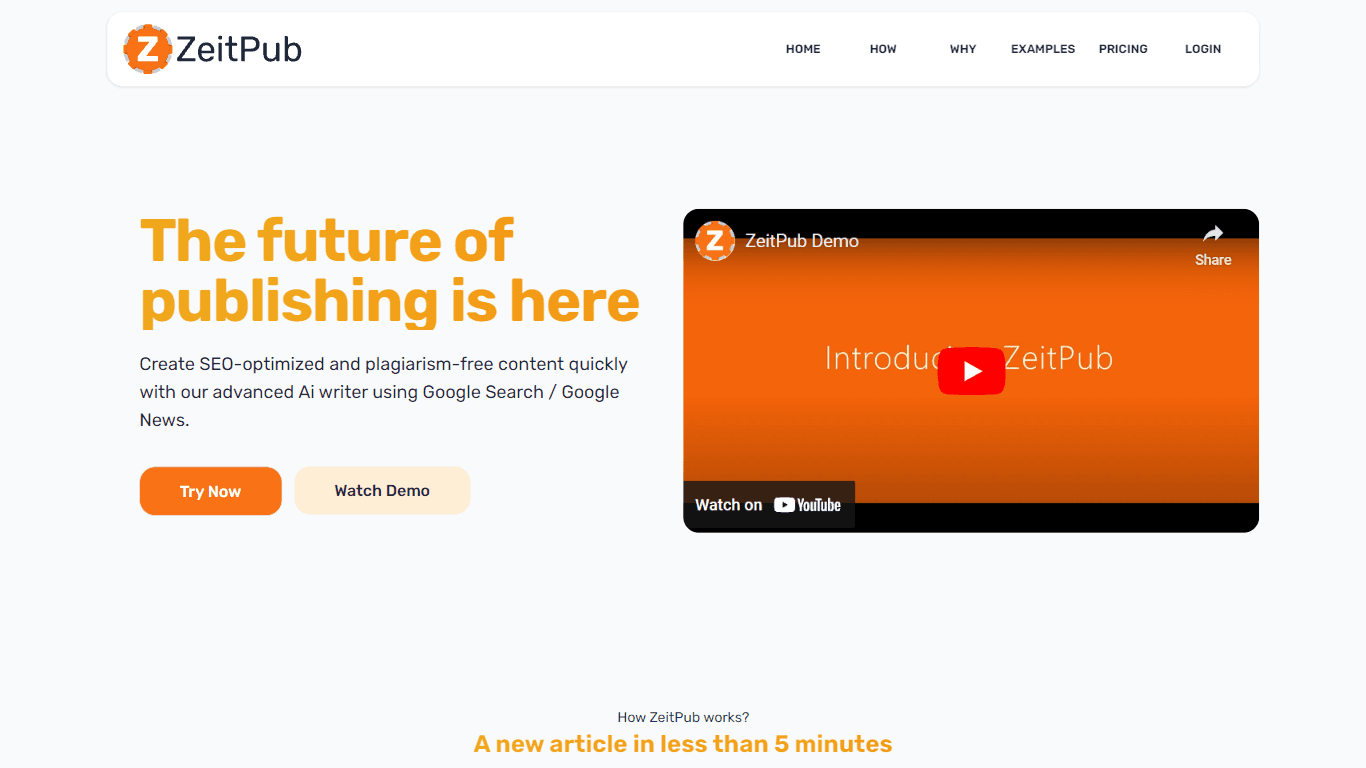
Zeitpub
Zeitpub revolutionizes the publishing industry by offering an advanced AI writer that creates SEO-optimized and plagiarism-free content at an incredible pace. With just the click of a button, users ca

PureCode.ai
A tool to automate coding tasks through codebase-aware code generation.

AI Dungeon
AI Dungeon is a text-based adventure game where you lead the story and the AI creates the world around you. It offers endless possibilities by generating unique characters, settings, and scenarios bas

TeleportHQ
TeleportHQ is a groundbreaking low-code front-end design and development platform that simplifies the process of creating professional and responsive websites. With a user-friendly visual builder and
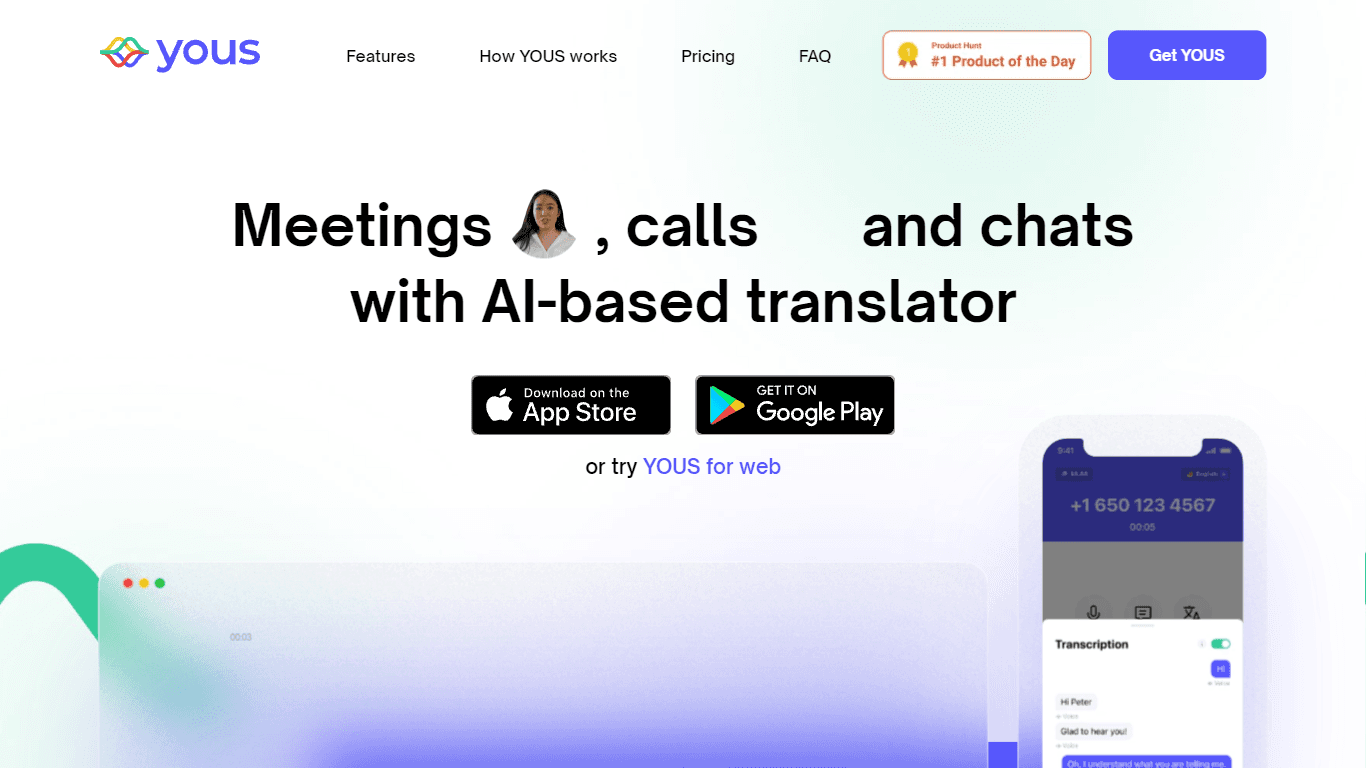
YOUS
YOUS is a cutting-edge platform that revolutionizes the way people communicate and connect with each other. With its innovative AI-based translator, YOUS enables seamless audio and video calls between

Verbacall
A platform that automatically answers, qualifies, and follows up on calls 24/7.

SuperU AI
A nocode tool to create voice AI agents for customer communications.

PrompTessor
A tool that optimizes text for clarity, tone, and grammar without requiring prompt engineering skills.

AptlyStar.AI
A tool to create and manage AI bots for businesses.