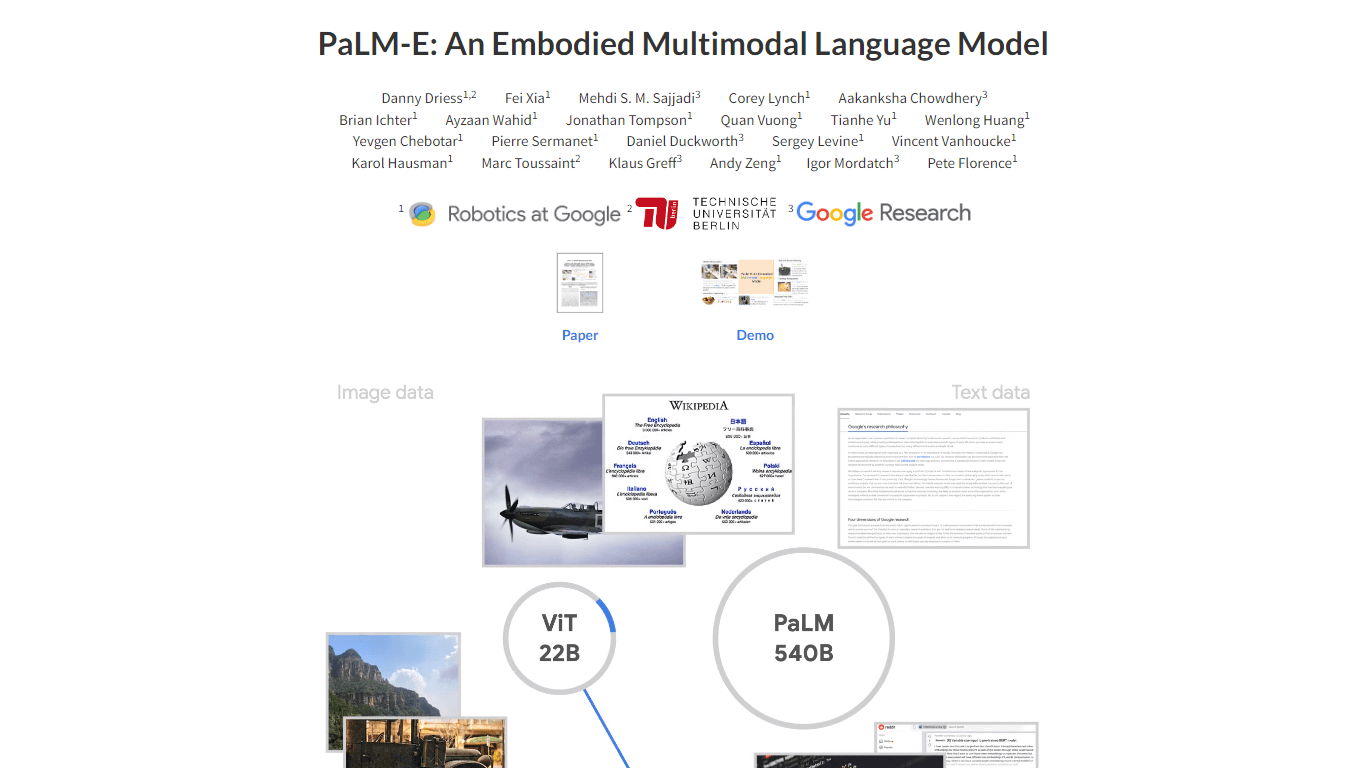
PaLM-E
The PaLM-E project introduces an innovative Embodied Multimodal Language Model, which integrates real-world sensor data with linguistic models for advanced robotic tasks. PaLM-E, short for "Projection
17,736
Votes
20,268
Views
12,181
Bookmarks
About
The PaLM-E project introduces an innovative Embodied Multimodal Language Model, which integrates real-world sensor data with linguistic models for advanced robotic tasks. PaLM-E, short for "Projection-based Language Model embodied," fuses textual inputs with continuous sensory information, such as visual and state estimation data, to create a comprehensive understanding and interaction in the physical world. Designed to aid in tasks like robotic manipulation planning, visual question answering, and captioning, PaLM-E showcases the potential of large, multimodal language models trained on varied tasks across domains. With its largest iteration, PaLM-E-562B, boasting 562 billion parameters, the model not only excels in robotic tasks but also achieves state-of-the-art performance in visual-language tasks like OK-VQA, while maintaining robust general language skills.
Key Features
- End-to-End Training: Integrates sensor modalities with text in multimodal sentences, training alongside a pre-trained large language model.
- Embodied Multimodal Capabilities: Addresses various real-world tasks, combining vision, language, and state estimation.
- Variety of Observation Modalities: Works with different types of sensor input, adapting to multiple robotic embodiments.
- Positive Transfer Learning: Benefits from training across diverse language and visual-language datasets.
- Scalability and Specialization: The PaLM-E-562B model specializes in visual-language performance while retaining broad language capabilities.
FAQ
What is the goal of the PaLM-E project?
The PaLM-E project aims to enable robots to understand and perform complex tasks by integrating real-world continuous sensor modalities with language models.
What is the achievement of the PaLM-E-562B model?
The PaLM-E-562B model, with 562 billion parameters, demonstrates state-of-the-art performance on visual-language tasks like OK-VQA while retaining versatile language abilities.
What does PaLM-E stand for?
PaLM-E stands for Projection-based Language Model Embodied, where PaLM refers to the pre-trained language model used.
Does PaLM-E benefit from transfer learning?
Yes, PaLM-E achieved positive transfer learning benefits by being trained across diverse internet-scale language, vision, and visual-language domains.
What tasks has PaLM-E been trained to perform?
Robotic manipulation planning, visual question answering, and captioning are some of the tasks that PaLM-E has been trained for.
You may also like
More tools in Other

WriteSmart
WriteSmart is an AI-powered tool that generates personalized and thoughtful comments to add value to conversations and build relationships on LinkedIn. With WriteSmart, you can boost engagement, warm

Postfluencer
Postfluencer is a cutting-edge online platform designed to empower individuals in enhancing their personal branding on Linkedin. With the capability to generate over 60,000 posts for users, Postfluenc
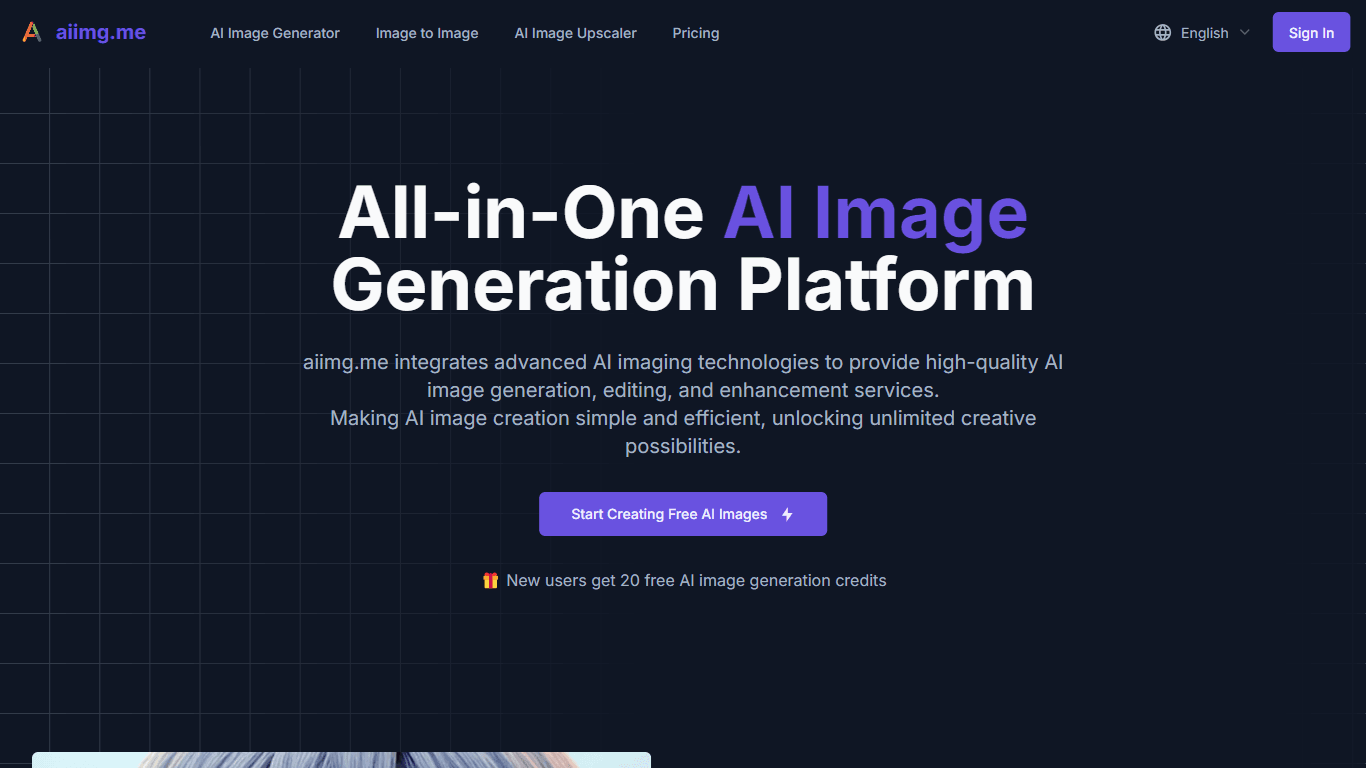
AI Img
aiimg.me is a comprehensive platform that integrates advanced AI imaging technologies to provide high-quality image generation, editing, and enhancement services. It allows users to create images from

Yepp AI
Yepp AI is an innovative platform that brings the power of artificial intelligence to marketing. With this platform, businesses can tap into the wealth of data they already have and leverage it throug
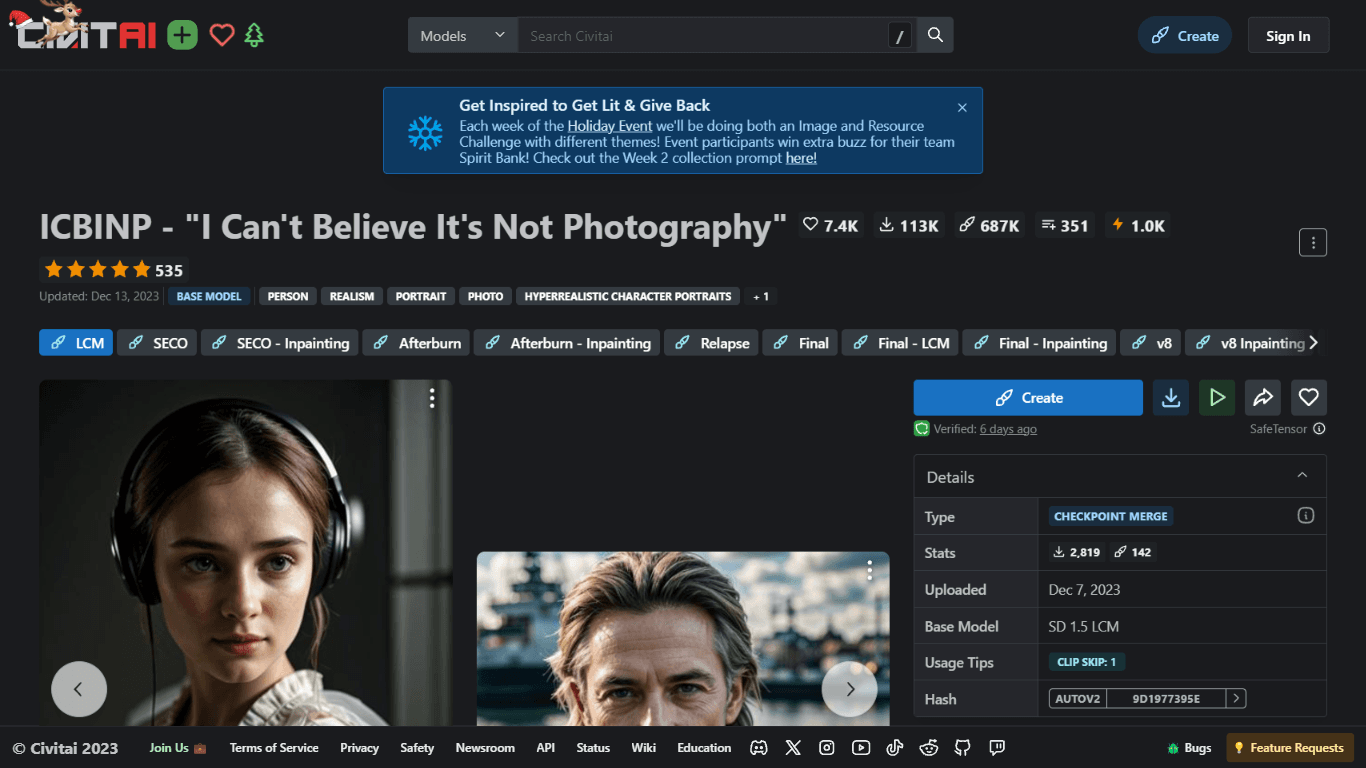
ICBINP | Civitai
Experience hyperrealistic image generation with ICBINP - "I Can't Believe It's Not Photography" - a powerful checkpoint for the Stable Diffusion model available on Civitai. The ICBINP LCM checkpoint i
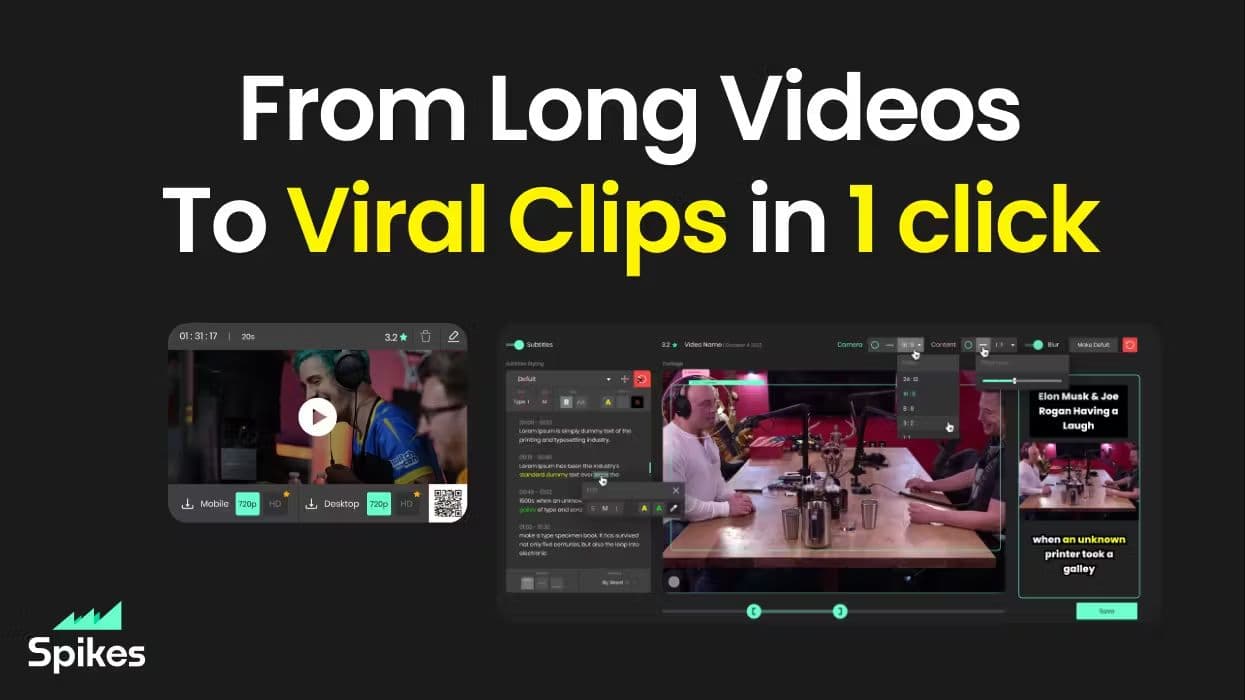
Spikes Studio
Spikes helps creators extract captivating shorts from any video. Automatically get a title, description, hashtag recommendations, auto-captions, AI styling and quickly edit. Grow and give your audienc

MuseNet
MuseNet is a groundbreaking deep neural network that revolutionizes the way music is composed. With MuseNet, you have access to a powerful tool that can generate beautiful and intricate 4-minute music

SuperU AI
A nocode tool to create voice AI agents for customer communications.
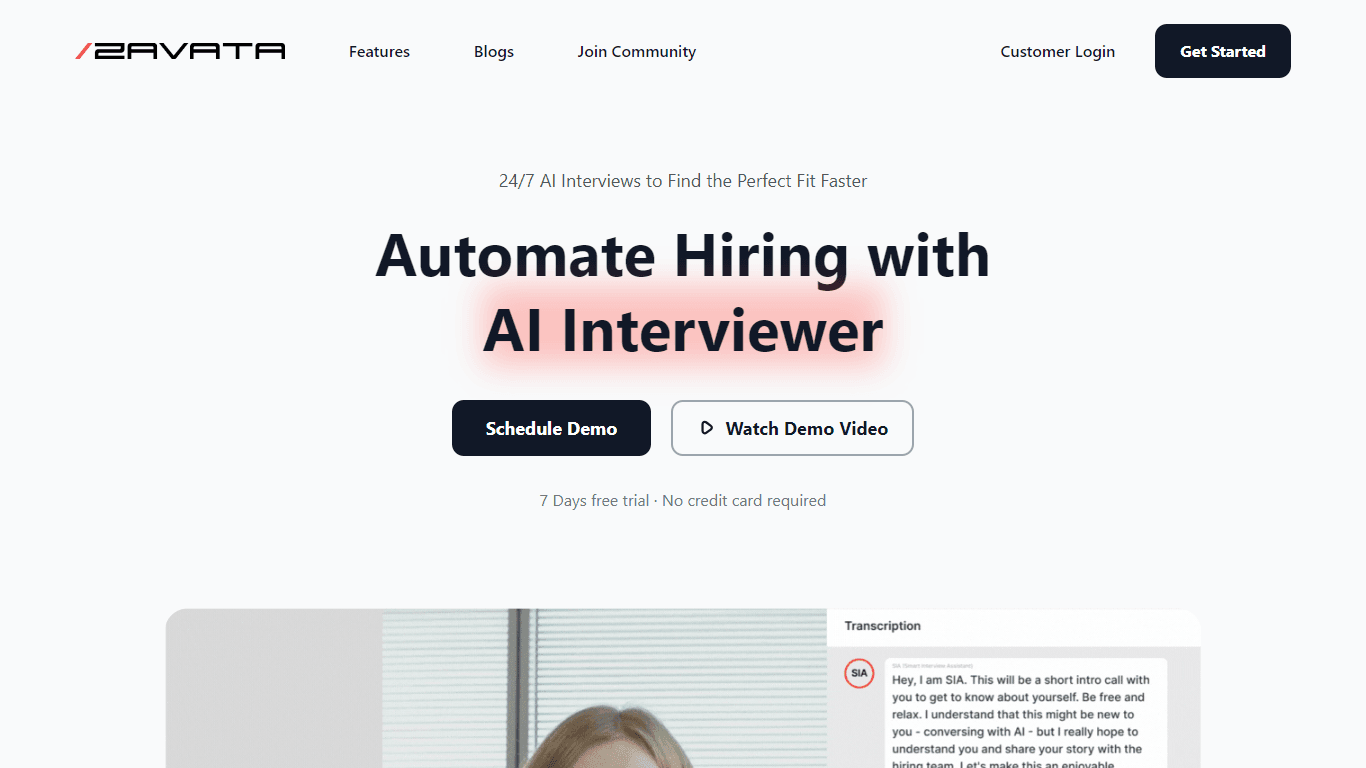
ZAVATA
ZAVATA is revolutionizing the recruitment process with its sophisticated AI interview platform. With the motto "Automate Hiring with AI Interviewer," ZAVATA introduces a seamless hiring automation tha
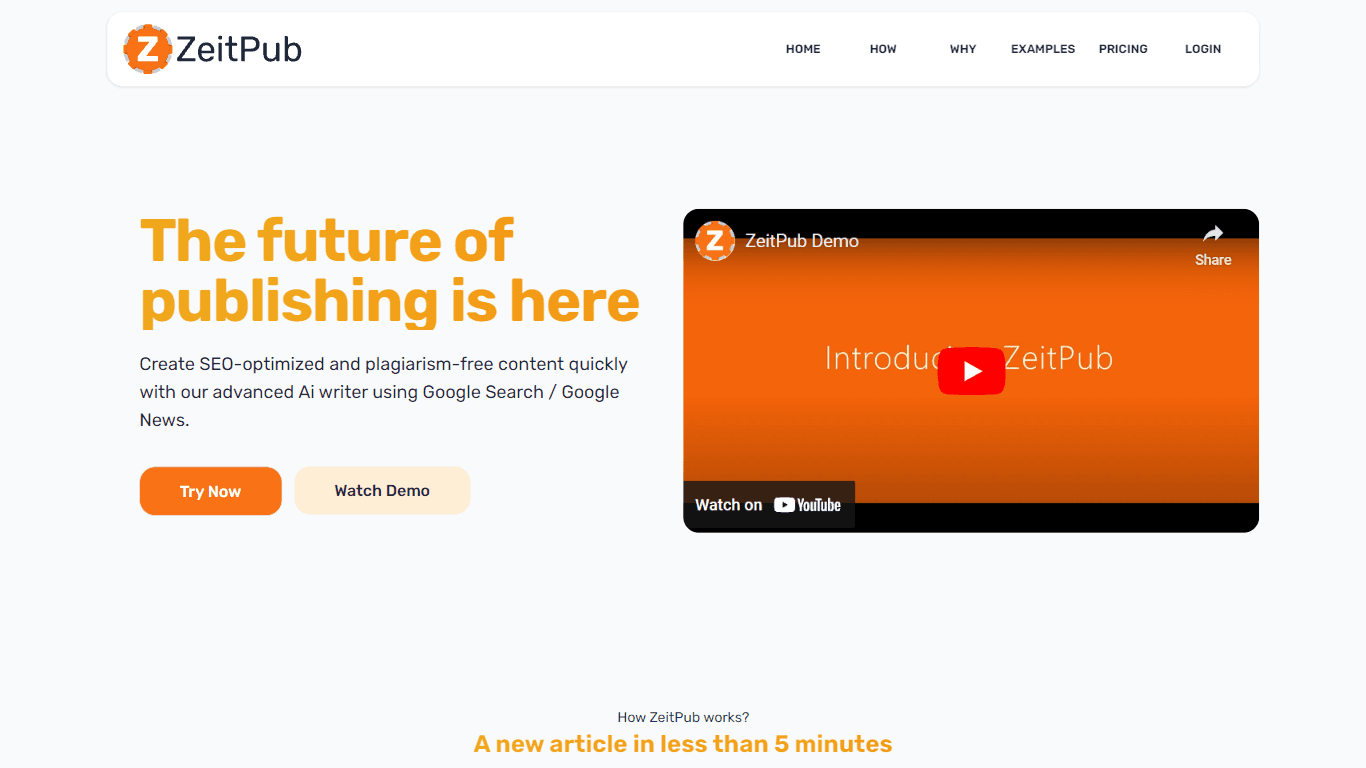
Zeitpub
Zeitpub revolutionizes the publishing industry by offering an advanced AI writer that creates SEO-optimized and plagiarism-free content at an incredible pace. With just the click of a button, users ca

Verbacall
A platform that automatically answers, qualifies, and follows up on calls 24/7.

Tortus
Transform healthcare with AI-driven EHR efficiency and support.