
Chat With Database
Chat With Your Database is an innovative tool designed to enhance the way users interact with their Postgres databases. Its core functionality revolves around allowing users to ask questions in natura
17,421
Votes
25,109
Views
11,468
Bookmarks
About
Chat With Your Database is an innovative tool designed to enhance the way users interact with their Postgres databases. Its core functionality revolves around allowing users to ask questions in natural language, which the AI then interprets to generate the necessary database queries. This seamless interaction enables users to query, analyze, and run operations on their databases without needing extensive technical knowledge. The tool aims to simplify database management and make data insights more accessible to a broader audience. The target audience for Chat With Your Database includes data analysts, business intelligence professionals, and anyone who works with data but may not have a strong technical background. By providing an intuitive interface, the tool empowers users to engage with their data more effectively. This democratization of data access is crucial in today’s data-driven world, where timely insights can significantly impact decision-making processes. One of the unique value propositions of Chat With Your Database is its ability to interpret natural language queries. This feature sets it apart from traditional database management tools that often require users to have a deep understanding of SQL or other query languages. By lowering the barrier to entry, the tool allows users to focus on deriving insights rather than getting bogged down by technical complexities. Key differentiators include its open-source nature, which fosters community-driven development and transparency. Users can explore the code, contribute to its development, or customize the application to meet their specific needs. This openness not only builds trust but also encourages collaboration among users and developers, leading to continuous improvement of the tool. In terms of technical implementation, Chat With Your Database connects directly to any Postgres database, allowing for real-time querying and analysis. The AI component is designed to interpret user questions accurately and generate appropriate queries, ensuring that users receive relevant insights quickly. This combination of AI and open-source technology positions Chat With Your Database as a forward-thinking solution in the realm of database interaction.
Key Features
- Natural Language Queries: Users can ask questions in plain language, making it easy to interact with their data without needing to know SQL.
- Real-Time Insights: The AI analyzes query results instantly, providing users with immediate insights to support decision-making.
- Open Source: The code is publicly available, allowing users to explore, contribute, and customize the application to fit their needs.
- Intuitive Interface: The user-friendly design makes it simple for anyone to navigate and use the tool effectively.
- Community Support: Being an open-source project, users can benefit from community contributions and support, enhancing the tool's capabilities.
FAQ
What is Chat With Your Database?
Chat With Your Database is a tool that allows users to interact with their Postgres databases using natural language questions.
Who can use this tool?
The tool is designed for data analysts, business intelligence professionals, and anyone who needs to work with data without extensive technical knowledge.
Is the tool open source?
Yes, Chat With Your Database is an open-source project, meaning its code is publicly available for users to explore and contribute.
How does the AI work?
The AI interprets user questions and generates the appropriate database queries to execute on the user's database.
Can I customize the application?
Yes, since it is open source, users can customize the application to meet their specific needs.
What type of database does it connect to?
Chat With Your Database connects specifically to Postgres databases.
You may also like
More tools in Data & Analytics
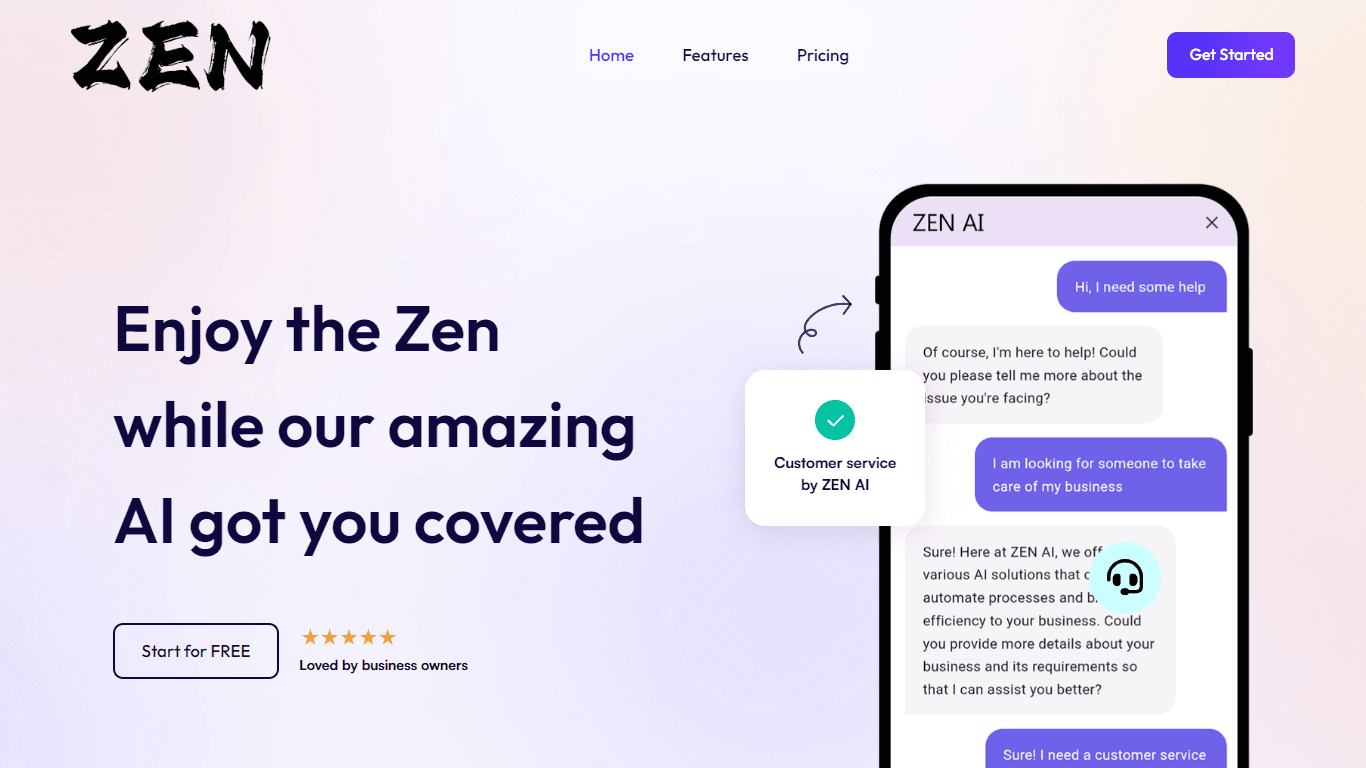
ZEN AI
Discover unparalleled customer service with ZEN AI, an intelligent customer support assistant designed for businesses of all sizes. ZEN AI operates around the clock, ensuring that your customers alway
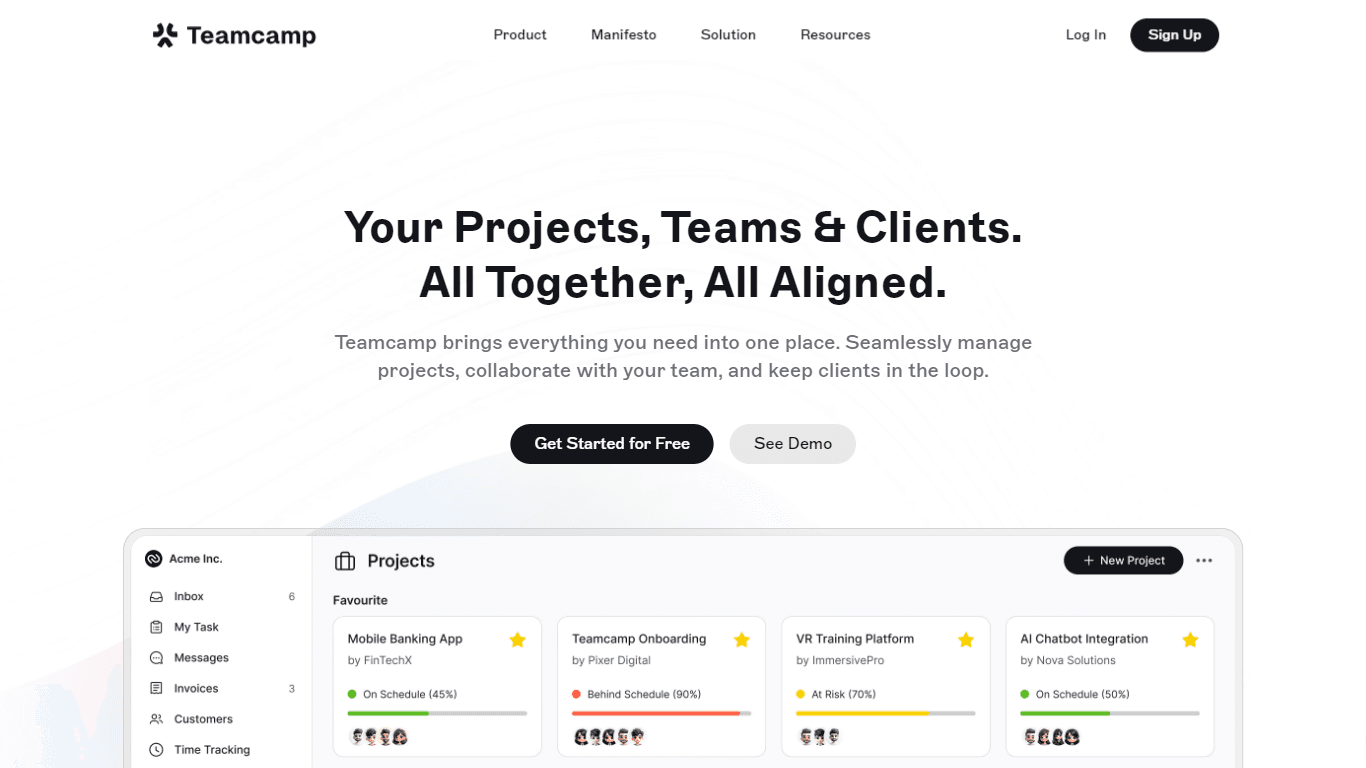
Teamcamp
Teamcamp is a comprehensive project management tool designed to streamline the workflow for teams in various sectors, including IT, marketing, freelancers, and agencies. Its core functionality revolve
Align AI
Streamlines AI strategy alignment with business objectives.

Supametas.AI
A tool to transform unstructured data into structured formats for AI models and knowledge bases.

The North
North is an intuitive platform designed to simplify the management of Objectives and Key Results (OKRs), Strategy, and Initiatives for businesses of all sizes. It is a tool that directs teams to trans
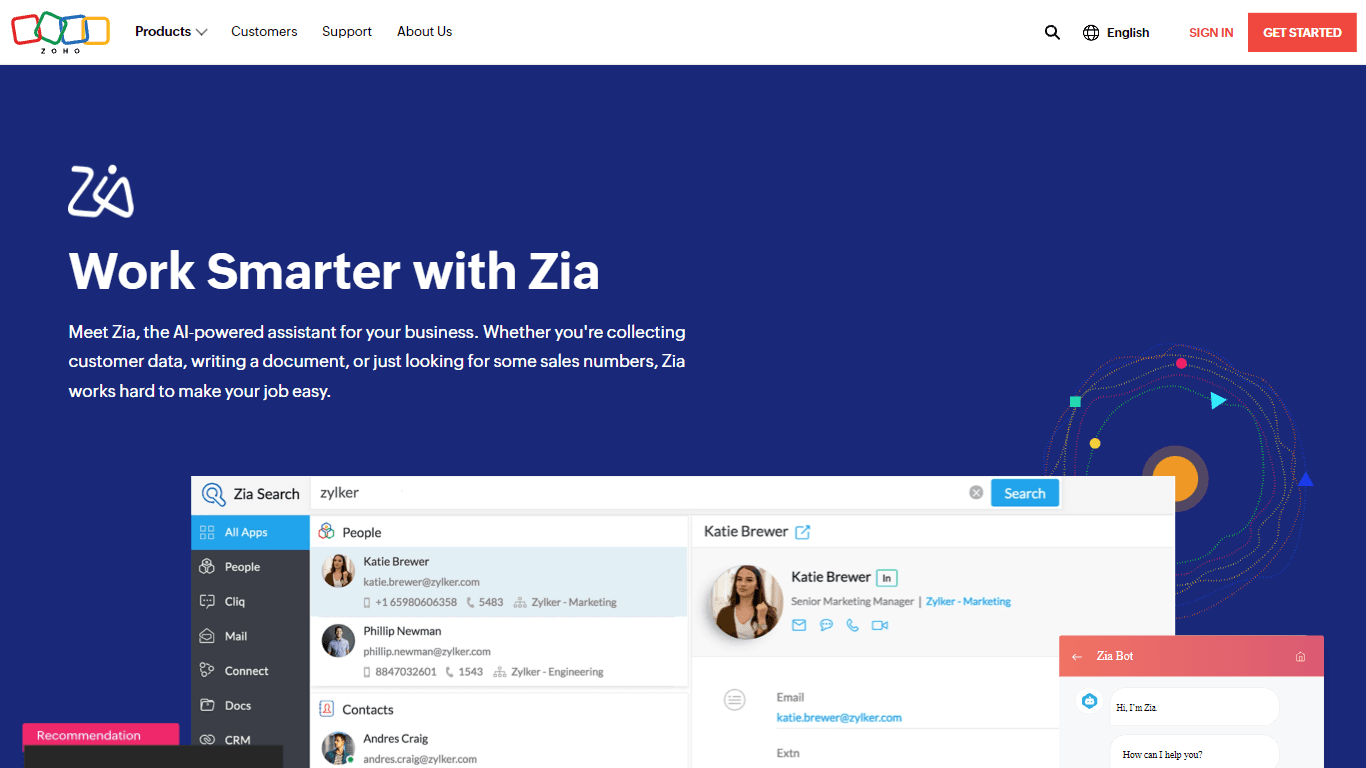
Zia
Maximize your business efficiency with Zia, Zoho's advanced AI assistant designed to streamline your business operations across various functions. Zia acts as a dynamic tool, providing tailored recomm

AICosts.ai
A tool to centralize tracking and optimization of spending across multiple AI services.

Yuma
Yuma is revolutionizing customer support through the power of automation. By leveraging ChatGPT, we have developed an innovative solution that seamlessly integrates with help desk software to provide

ZeroGPT
ZeroGPT.com stands out as the premier destination for AI detection, setting the gold standard in safeguarding digital landscapes. With cutting-edge algorithms and advanced machine learning models, Zer
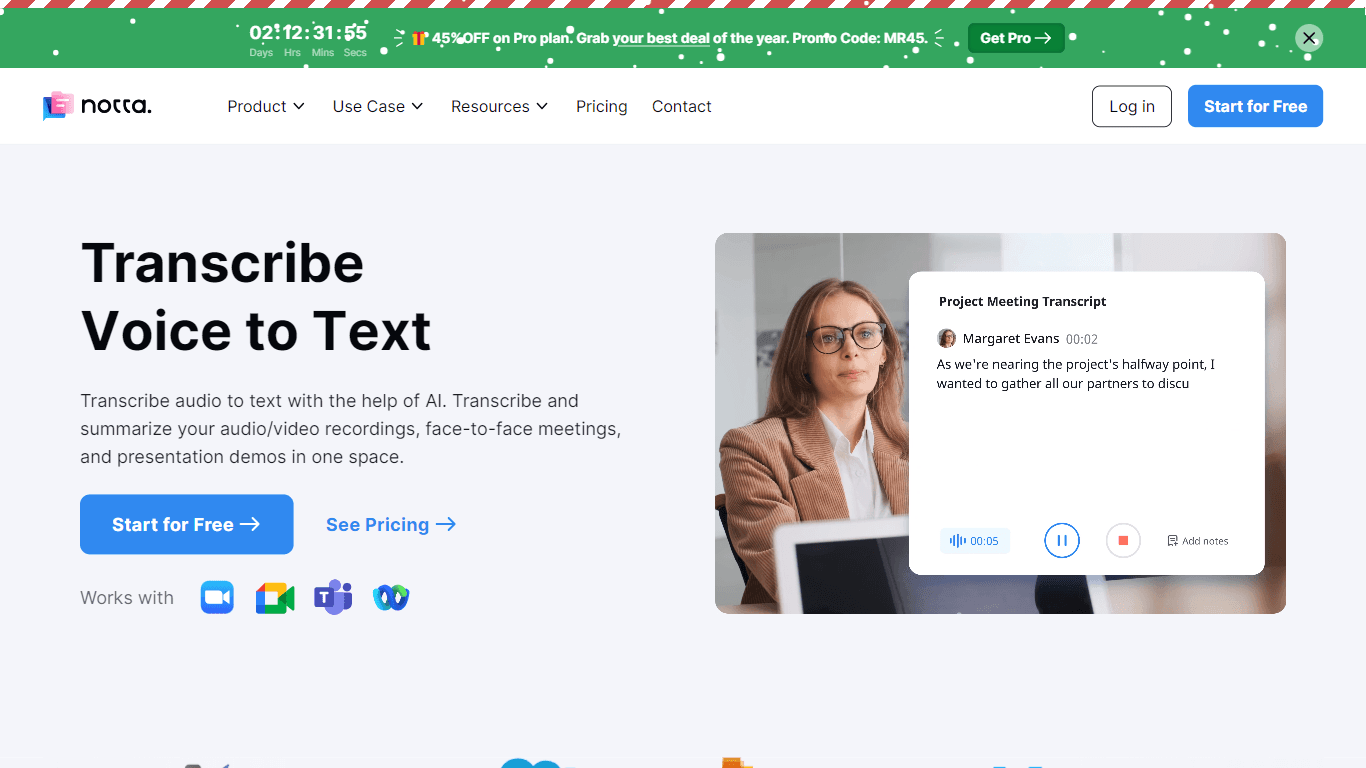
Notta
Notta offers a comprehensive solution for converting audio to text using advanced AI technology. With Notta, users can transcribe and summarize audio/video recordings, live meetings, and presentations

SPUN
SPUN offers an innovative platform designed to streamline the global permit and visa application process through AI and automation. Aimed at helping individuals and organizations to efficiently pursue

10Web AI Website Builder
10Web AI Website Builder is a platform designed to help businesses and individuals create fully functional, production-ready WordPress websites quickly and without coding skills. Users simply describe